How Technology Is Transforming Saudi Arabia’s Healthcare Industry

The Saudi healthcare market is expected to generate US$464m in 2022, growing at a CAGR of 12.79% until 2025. Due to its young and growing population, it is estimated that Saudi Arabia will require more than 20,000 additional hospital beds by 2035. Innovations in technology and the global pandemic are amongst the key forces driving changes in Saudi Arabia’s healthcare industry at such an unprecedented rate. From patient care to medical research and training, every aspect of healthcare is being affected by technological advances and operational reforms.

Hospital stays are becoming shorter as more procedures can be carried out on an outpatient basis. This is thanks to advances in diagnostic techniques and treatments, as well as the availability of better-quality medical equipment. Over the coming years, it’s expected that healthcare will become increasingly digitised, improving the level of access and convenience for patients.

The Digitisation Of Healthcare

With the pressure of the global pandemic, Saudi’s healthcare industry has been forced to adapt to new ways of working at a pace that would have been unthinkable just a few years ago. The sudden and rapid increase in patient numbers has necessitated a more consolidated and connected approach to care. In response to this need, the Saudi government has begun working on the development of a unified vision of e-health provision across the Kingdom. It’ll enable patients to access streamlined, efficient, and high-quality care regardless of location.

At the heart of this transformation is the digitisation of healthcare. By making use of new and innovative technologies such as AI, big data, and cloud computing, Saudi Arabia’s healthcare system will be able to become more responsive to the needs of patients. What’s more, these tools will help to improve communication between different care providers, leading to better coordination and delivery of care.

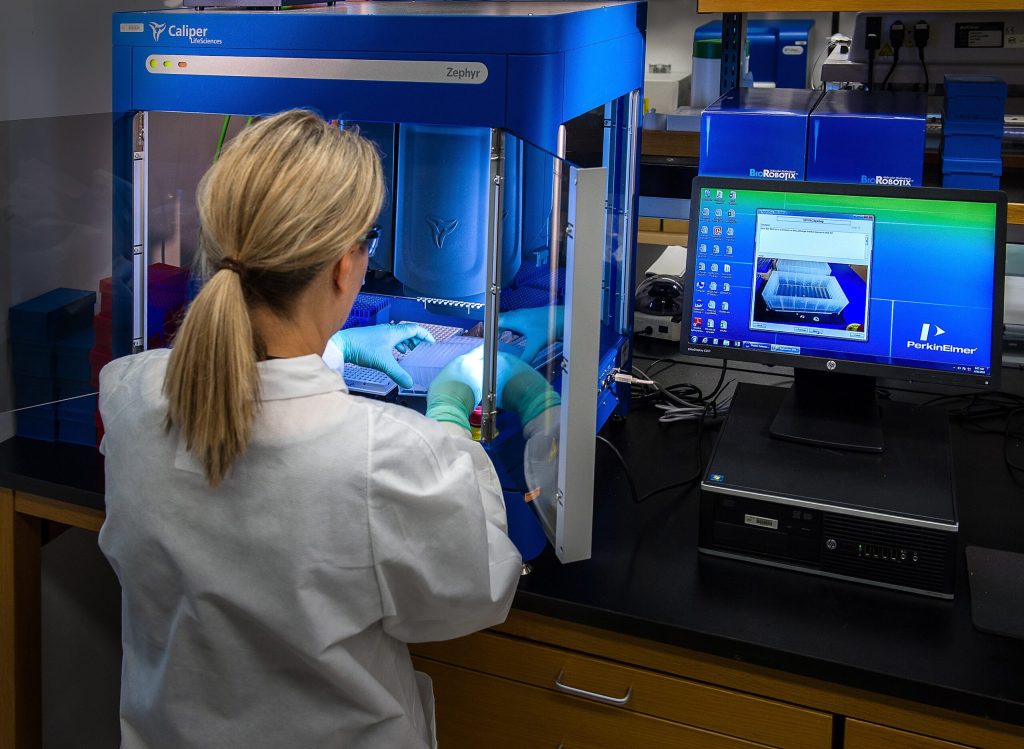
New technologies are already being implemented across the Kingdom’s hospitals. AI is being introduced to interpret patient X-rays, taking some pressure off hospital staff. In the near future, Saudi doctors may be able to mine patient healthcare records using big data technology, to assist with diagnosis and the development of treatment plans. Health tech startups are also playing a crucial role in the digitisation of healthcare in Saudi Arabia.

There are currently 150 health tech startups operating within the Kingdom. One of these is Cura — a locally developed application that allows users to receive remote video consultations with doctors across 34 different specialities. Similarly, a new app named Labayh, gives users the ability to connect with a qualified counsellor or psychotherapist quickly and discreetly. These companies are developing innovative solutions that are making a positive impact on the lives of many patients.

Beyond Saudi Arabia’s borders, Neurosurgeons at John Hopkins performed their first augmented reality surgery in June 2021. VR headsets are also being deployed during medical training, to allow students to practice in a virtual environment before moving on to the real thing. This technology could be used to train the next generation of Saudi doctors, possibly in virtual spaces like the metaverse, to meet the Kingdom’s growing demand for qualified physicians.

How The Legal Industry Is Keeping Up With Development

As the healthcare industry evolves, the legal landscape must keep pace. With the wider proliferation of cloud data storage, the Saudi government introduced a new law that prohibits healthcare providers from storing the personal data of any Saudi national outside the Kingdom. The ongoing push towards Saudization also impacts the Healthcare industry. As it currently stands, each hospital must appoint a locally qualified doctor of Saudi nationality as a medical manager for the hospital, with some exceptions granted for hospitals in very rural or remote locations.

Negligence liability is still an area of Saudi law that does not yet have a well-defined framework. Saudi’s lack of legal precedence means that the results of civil cases are often unpredictable. This presents a challenge for both patients and practitioners when it comes to seeking damages for medical negligence. Most cases are resolved on the principle that a contract between two parties constitutes the law between two parties — unless it is in breach of some element of Shari’ah.

The way technology is impacting the healthcare industry is set to continue at an ever-increasing pace. As more countries around the world begin to adopt similar approaches, the potential for further improvement and efficiency is huge. For Saudi Arabia, the next few years will be crucial in shaping the country’s healthcare landscape for the future.


Renewable Energy In KSA

The shift to renewable energy is essential for businesses in Saudi Arabia, as it provides a reliable, sustainable energy source that will help to support economic growth. In recent years, KSA has made major commitments to increase its use of renewable energy sources, including solar and wind power. These efforts are supported by new regulations and incentives that promote the adoption of clean technologies and sustainability practices across various sectors.

For businesses to succeed in KSA and compete in the global marketplace, they must consider renewables and cleantech as key factors in their overall business strategy.

Saudi Arabia’s Push Towards A Greener Future

Renewable energy has become increasingly important in KSA over the past few years as the country works to transition away from its reliance on fossil fuels. This transition has been supported by the Saudi Vision 2030 initiative, which aims to diversify the country’s economy and boost private sector growth. One of the primary focus areas of this plan is environmental protection, particularly through increased investment in clean energy sources.

This year, the government awarded two solar photovoltaic (PV) projects with an estimated value of $453m as part of a power-purchase agreement (PPA) that will increase the nation’s production capacity to over 1GW. This will help to align the country with its aim to derive 50% of its domestic electricity from renewable sources by 2030. The government hopes that its investment in renewable energy innovation will attract $20 billion in industry investments over the course of the next ten years.

The global energy trade is also expected to play an important role in the growth of renewable energy in KSA. As the world’s largest oil exporter, Saudi Arabia has historically been a global leader in energy production. However, as part of the worldwide shift towards greener energy sources, Saudi Arabia will be ideally positioned to become a leading exporter of renewable energy technologies with a particular emphasis on solar power. This would provide a major boost to the country’s economy and create new opportunities for businesses looking to invest in clean technologies.

As a result of these efforts, businesses in KSA are increasingly turning to renewable energy as a key part of their overall strategy. This is supported by the growing demand for clean technologies across various industries, including manufacturing, construction, and transportation. The adoption of such technologies can help businesses become more efficient and profitable, while also reducing their environmental impact.

New Regulations Impacting The Renewable Sector

This commitment to renewable energy is also reflected in new regulations and incentives that have been launched in recent years to encourage the expansion of the renewable energy sector. The Saudi government plans to introduce a new form of industrial licences within the renewable energy sector, that will provide companies with a competitive advantage in the marketplace. The Ministry of Energy also announced that they will offer incentives to energy project developers that will allow them to avail of certain benefits and custom exemptions.

Additionally, the Saudi Green Building Forum was launched in 2017 to promote sustainable building practices and support the development of green infrastructure. These initiatives are helping to create a more supportive environment for businesses that are looking to adopt clean technologies and sustainability practices.

Overall, KSA’s push towards a greener future is creating significant opportunities for businesses in the renewable energy sector. By embracing renewable technologies and sustainability practices, companies can not only reduce their carbon footprint but also gain a competitive advantage in a rapidly changing global marketplace. As such, it is essential for businesses to stay up to date on the latest developments in the renewable energy sector in order to make informed decisions about their future growth.


Corporate Governance & The Family Business

Family businesses are the backbone of the Saudi Arabian economy, accounting for 25% of all economic activity in the Kingdom. However, as the economic landscape becomes increasingly complex and globalized, many family businesses are struggling to keep up with changing times. One of the biggest challenges they face is ensuring good corporate governance.

Corporate governance is the system of rules, practices, and processes by which a company is controlled and directed. It includes the mechanisms through which a company’s affairs are conducted and managed, and the relationships between different stakeholders such as shareholders, directors, management, and employees. Keeping this system running smoothly is not always an easy task, but it is crucial for the long-term success of any family business.

Why Corporate Governance Is Essential To The Family Business

Good corporate governance is essential for any company, but it is especially important for family businesses. This is because family businesses are often more complex than other types of businesses. There are many different interests and opinions within a family, which can make decision-making difficult.

Without good corporate governance, family businesses can quickly become dysfunctional. This can lead to conflict between family members, which can damage the business and its reputation. It can also lead to financial problems caused by the business failing to make sound decisions about investment and expenditure. For all these reasons, good corporate governance is essential for family businesses to thrive in today’s ever-changing business world.

Aligning Governance With The Times

As Saudi Arabia continues to evolve, so too must the governance of its family businesses.  Governance must align with the current business environment, which is fast-paced and constantly evolving. The old ways of doing things no longer work in today’s climate, and family businesses must adapt to survive.

Saudi family-owned businesses often tend to be set in their ways when it comes to their internal governance structures and processes. This can be a hindrance to their growth and development. In many cases, succession planning, and transparency are not given the attention they deserve, which leads to problems passing on the business to the next generation.

Many internal processes such as human resource planning, tend to be informal and ad-hoc. This can lead to inefficiency and poor record keeping. And as we move into an era that is quickly being defined by the ever-growing presence of risk and crisis, family-owned businesses must have the internal governance structures in place to allow them to tackle these challenges effectively.

With the Saudi Arabian government’s aim to attract more foreign investment, it will also become increasingly important for the Kingdom to uphold a more regulated and compliant business environment. As a result, new laws and regulations are being introduced, and family businesses will be required to comply. And as more businesses choose to go public, there is a heightened need for transparency and accountability. If good corporate governance practices are implemented effectively, family businesses can open the doors to new sources of capital.

The Kingdom of Saudi Arabia continues to evolve, and so too must the governance of its family businesses. By aligning governance with the current business environment, family businesses can make the right decisions and avoid unnecessary conflict. This will help them to protect their reputation and help establish long-term success.

The Push For Alternative Energy In The GCC

The worldwide energy industry is headed towards an extraordinary excursion and the Gulf Cooperation Council (“GCC”)  is pushing to be a pioneer in this rising market. The United Arab Emirates (“UAE”) and the Kingdom of Saudi Arabia (the “Kingdom” or “KSA”) are two of the central figures in the movement toward utilising more sustainable and environmentally friendly energy sources, and both have made large investments in research and development for these fields.

From NEOM to ADNOC, the UAE and Saudi Arabia are working to establish themselves as leaders in the global energy market, and it is clear that alternative energy will play a major role in their plans. These two nations have access to the necessary technical expertise and financial resources to drive a more clean-energy strategic focus in the future.


GCC Clean Energy Drive Requires $50b for Grid-related Speculations

The GCC would require approximately $50 billion by 2026 to boost the proposed increments from renewables, as highlighted in a recent white paper, ‘Clean Energy — Going Beyond the Grid’.

Improvements in sustainable power innovation are one of the critical mainstays of the UAE’s Operation 300bn and Saudi Arabia’s Made in Saudi Initiative, which are both national plans that envision improving the contribution of renewables in the energy blend of their nations.

The UAE National Energy Plan 2050 calls for clean energy to achieve 50% of the country’s complete energy blend by 2050. This would lower the carbon footprint by 70%, requiring an investment of $190 billion along the way.

Two of the biggest single-site solar plants in the world are currently being created in Abu Dhabi and Dubai. Both will add to the developing UAE green economy while advancing the nation’s status as a global renewable energy player.

Furthermore, Saudi Arabia is focused on deriving 50% of its energy from renewables by 2030 and the Kingdom also intends to spend up to $50 billion on this sector by 2023. Under the normal expansion in grid-related ventures, the transmission and circulation gear industry are supposed to top $312.8 billion universally by 2026.


Minerals Projects

Inside the unique energy sector, organisations with a history of upgrading power age and energy stockpiling arrangements are assuming a significant part in empowering the practical creation of minerals universally. This is subsequently assisting the world to decarbonize more quickly.

Perhaps the best illustration of that, is in Saudi Arabia, where at the height of the COVID-19 pandemic in 2020, consent was given to supply a 45 MW power plant to the biggest gold venture for the Saudi Arabian Mining Company.

The Mansourah-Massarah plant uses a crossover of motor innovation and solar power, and Finnish energy company Wärtsilä has the mandate to introduce six power motors — working in close coordination with project worker for hire, Larsen, and Toubro and EPC project worker, Outotec.

The task is important for Saudi Arabia’s Vision 2030, which plans to expand revenue sources for the Saudi economy by moving away from oil dependency and increasing the mining of under-exploited assets such as gold.


Changes to the Legal and Regulatory Framework Governing Clean Energy

The GCC’s ambitious plans for alternative energy will have major legal implications, both in terms of the regulatory frameworks that need to be put in place and the contracts that need to be negotiated.

Accordingly, a coordinated approach to alternative energy may need to be taken by the GCC and the applicable GCC national laws and regulations may need to be further developed and enhanced in order to become a suitable regional market for alternative energy.


Saudi Arabia

The Ministry of Energy (“MoE”) has introduced the National Renewable Energy Program (“NREP”), which aims to diversify the Kingdom’s energy resources. Several incentives were issued to promote investments into the renewable energy projects under the NREP, which include direct foreign ownership and land incentives that include subsidized leases for projects. This will further entice foreign entities to invest in the Kingdom’s renewable energy schemes, while also resulting in the formation of innovative technologies within the renewable energy sector that include solar photovoltaic technologies, waste to energy technologies, wind energy technologies and concentrated solar power technologies. All such renewable technologies have been identified and developed under the NREP to further diversify the Kingdom’s local energy supply and to further encourage foreign investment along with public-private participation within the energy industry.

To that end, MoE, in collaboration with the Ministry of Industry and Mineral Resources and Non-oil Revenue Development Center, introduced further initiatives that allow companies whose activities involve renewable energy and solar power plants to apply for and obtain industrial licenses. These initiatives aim to support the renewable energy industry and economic growth while enhancing the Kingdom’s capabilities regarding renewable energy, and to achieve an optimum energy usage in electrical productions. Furthermore, the Gulf Cooperation Council (“GCC”) grants industrial projects with benefits and facilities to promote the industrial sector and to attract investments to countries in the GCC under the scope of the Common Industrial Regulatory Law of the GCC Countries (the “Law”). This Law grants companies’ certain exemptions from customs duties in relation to manufacturing and industrial projects. Such exemptions are aimed to enhance investments and increase production and adoption of renewable energy in the KSA.

In addition to having solar power plants, KSA’s 2030 target includes the usage of the aforementioned Solar Photovoltaic (“PV”) Systems. The Water & Electricity Regulatory Authority (“WERA”) issued a regulatory framework for the use of Small-Scale Solar PV Systems. The framework aims to promote the use of Small-Scale Solar PV Systems and ensure efficient and safe production, installation, operation, and maintenance of these systems within the Kingdom. Under the regulatory framework, customers may build/possess and operate on a premises in which a Small-Scale Solar PV System may be installed. This Solar PV System helps convert solar energy into electricity and gives a more efficient way of obtaining electricity using renewable energy, thus, reducing the usage of oil and instead using a renewable energy source that does not emit carbon.

Moreover, the Kingdom has also introduced the Saudi Green Initiative (“SGI”) which works to combat climate change as its main goal while also aiming to offer significant investment opportunities for local and foreign investors in the energy sector in KSA. The SGI’s programs which include environmental protection, energy transformation and sustainability, aims to reduce carbon emissions and increase domestic usage of renewable energy. To that end, the kingdom developed cost-effective technologies for efficient carbon management, with the aim of eliminating gas combustion by 2030.


The UAE

The UAE has taken a leading role in the development of renewable energy in the GCC, and currently has the largest installed capacity of solar PV in the region.

The objective of the Dubai Clean Energy Strategy 2050 is for clean energy to contribute 25% of Dubai’s overall energy output by 2030 and 75 per cent by 2060. To achieve this, the Dubai Electricity and Water Authority (“DEWA”) has launched a number of initiatives, including the Shams 1 solar-thermal plant (100MW) and the Mohammed bin Rashid Al Maktoum Solar Park, which represents a total investment of AED 1.2 billion and is the largest single-site solar park in the world.

In addition to this, the Dubai Green Fund has been established to provide financing for renewable energy projects. The Fund is open to both local and international investors and offers a number of benefits, including tax exemptions and visa facilitation.

In the realm of transportation, the Dubai Supreme Council of Energy has initiated free charging, parking, and registration fees. The Dubai Autonomous Transportation Strategy also aims to have 25% of all trips made using driverless vehicles by 2030.


The Future

Ultimately, the GCC is at the forefront of the global energy transition, and its ambitious plans for alternative energy will have major legal implications.

In order to meet its renewable energy targets, the GCC will need to make significant changes to its current regulatory frameworks and invest in developing the infrastructure needed to support large-scale renewable energy projects.

The GCC is also likely to face challenges in relation to water availability and land use, as well as the need to develop a skilled workforce for the renewable energy sector.

Despite these challenges, the GCC is well placed to become a global leader in renewable energy, and its commitment to this transition will have far-reaching legal implications.


Ebaa Tounesi

Associate – Corporate & Commercial Practice

Emerging Trends of Saudi Arabia’s Sporting Industry

Entertainment and sporting events have not always been the first things that come to mind in relation to Saudi Arabia. However, in recent years the country has made great strides in developing its entertainment industry, with a particular focus on sports. This has been driven by several factors, including the country’s large and young population, and the government’s desire to build a more diverse and modern economy.


While the sporting industry in Saudi Arabia is still in its early stages of development, it is currently growing at a rapid pace. This is evident in the increasing number of sports facilities and events being held in the country and the growing number of Saudis participating in sports. In addition, the Saudi government has been investing heavily in the sporting industry, both in terms of infrastructure and supporting local athletes.


Key Developments in Saudi Arabia’s Sporting Sector

The Saudi government has taken a keen interest in the role of sports and sporting events in the country’s development. In line with its Vision 2030 reform agenda, the government has set out to increase participation in sports and improve the quality of sporting facilities and events within the Kingdom. This has led to many developments within Saudi Arabia’s sporting sector, including the ones outlined below.


Increase in Major Sporting Events

One of the most notable developments in Saudi Arabia’s sporting industry has been the increase in major sporting events being held in the country. Over the past five years, the country has hosted several high-profile sporting events, including the Saudi Arabian Grand Prix in 2021, the Joshua v Ruiz II – “Clash on the Dunes” in 2018 and the Saudi Cup international horse racing event in 2020. Saudi Arabia has now put forward its bid to host the FIFA World Cup in 2030.


The Introduction of ESports

Esports — competitive electronic gaming — is not recognised by many countries as a sport. This means it can be difficult for professional gamers to find an appropriate venue to compete at an international level. However, in recent years, Saudi Arabia has begun to nurture its own esports scene, which has included the establishment of the Saudi Esports Federation in 2017. In the summer of this year, the federation launched the Gamer8 Festival, which was a highly successful 8-week esports event held across Riyadh.


The Growth of Women’s Sport

The Saudi government has taken a keen interest in increasing women’s participation in sports over the last decade. In 2012, the nation sent its first female athletes to the Olympic games and from 2017 onwards, women have been allowed to compete in sports tournaments held in the country. 2020 saw the launch of the Saudi Women’s Premier League, ushering in a new era for women’s football in the Kingdom.


The Rise of Sports Tourism

The Saudi government is also looking to develop the country’s sports tourism industry. In 2018, the Kingdom hosted the first season of the World Boxing Super Series at King Abdullah Sports City in Jeddah, which attracted boxing fans from all over the world. The country is also set to host the Spanish Super Cup semi-final in 2023 and the Formula E Diriyah E-Prix early next year. These types of events are not only a boost for the sporting industry, but also for the country’s economy as a whole.


Savvy Games Group Strategy

In September 2022, Saudi Crown Prince Mohammed bin Salman announced the government’s goal of becoming a global hub of games and esports, with the launch of the Savvy Games Group Strategy. This ambitious plan includes a focus on developing the local games industry, as well as supporting Saudi Arabian gamers to compete at an international level. As part of the plan, the government will establish 250 games companies in the country by 2030, creating over 39,000 jobs. In total, government investment in this strategy is expected to reach SAR 142 billion by 2030.


Next World Event

The Saudi Esports Federation just hosted the inaugural Next World Forum in September 2022. It was a two-day event that saw a number of prominent Esports industry speakers gather to discuss the future of the sector. Among them were Grant Johnson, the chairman and CEO of Canada’s Esports Entertainment Group and Chester King, the vice president of the Global Esports Federation. The forum was a huge success, with over 1,000 people in attendance from across the globe.


What Does the Future Hold?

The sporting industry in Saudi Arabia is still in its early stages of development. However, the sector is growing at a rapid pace and the government is fully supportive of its growth. This is evident in the many developments that have taken place in recent years, including the increase in major sporting events, the arrival of esports and the active promotion of women as both sports spectators and competitors.


In addition to this, the Saudi government is keen to develop the country’s sports tourism industry as part of its move to diversify the nation’s economic activity. With the government’s continued support, it is likely that the sector will continue to grow in popularity and size, welcoming a new era of sports in Saudi Arabia.

Market View: Egypt

Egypt’s economy is one of the most diversified in the Middle East and North Africa. The country’s strategic location, rich natural resources, and large population have made it a regional hub for trade and investment.

Egypt’s economy has been growing at around 3-5% per year since 2017 and is expected to grow by around 5.5% by the end of 2022. This growth has been driven by several factors, including strong foreign direct investment inflows, positive economic reforms, and robust domestic consumption.

Exploring Egypt’s Economic Opportunities

Egypt offers numerous advantages for businesses looking to invest in the country. For starters, Egypt’s population of over 100 million provides a large potential market for businesses. Additionally, the country’s geographic location also provides an excellent potential to develop the region as a hub for trade and investment.

Young Population

Egypt has a young and rapidly growing population. Over 60% of the population is under the age of 30, making it an attractive market for consumer-oriented businesses.

Strategic Location

Egypt is located at the crossroads of Africa, the Middle East, and Europe. This makes it an excellent location for businesses looking to tap into regional markets across all three continents.

Rich Natural Resources

Egypt is home to several valuable natural resources, including oil, gas, and minerals. These resources provide a great source of revenue for the government and offer opportunities for businesses in the mining and energy sectors.

Egypt’s Most Well-Developed Sectors

Egypt has many thriving industries, which offer opportunities for businesses looking to invest in the country and local businesses looking to expand their operations.

Agriculture

Egypt is a major producer of agricultural commodities, such as wheat, rice, and cotton. The country’s large agricultural sector provides the largest portion of employment in the nation, representing 21% of the entire workforce.

Manufacturing

Egypt has a large manufacturing sector, which accounts for around 15% of its total GDP. The manufacturing sector is dominated by the textile and food processing industries.

Tourism

Egypt is a major tourist destination, with around 13 million tourists visiting the country in the year prior to the pandemic. Tourism accounts for around 12% of the nation’s total GDP and employs around 2.2 million people.

Oil and Gas

Egypt is a major producer of oil and gas. The country’s oil reserves are estimated at around 4.4 billion barrels, while its gas reserves are estimated at around 77 million cubic feet.

Egypt’s Trade Relationship with Saudi Arabia

Egypt is a major trading partner of Saudi Arabia and has been so for a few decades. In 1989, the two countries signed a trade agreement, which was followed by several other agreements in the 1990s. The two countries continue to have strong economic ties to this day and are both members of the Arab League and the Organization of Islamic Cooperation.

Inbound Trade

Egypt imports a significant amount of Saudi Arabian products, with the number one being crude petroleum. This exchange was worth USD$1.63 billion in 2020. Saudi exports to Egypt continue to grow each year and have increased by 10.1% in total over the past two and a half decades.

Outbound Trade

Egypt also exports a significant number of products to Saudi Arabia. Refined petroleum is the number one export, representing USD$3.88 million in 2020. In total, Egypt exported USD$2.8 billion worth of products to Saudi Arabia in the same year.

Investment

Saudi Arabia is a major investor in Egypt. This year, Saudi Arabia and Egypt signed 14 agreements representing USD$7.7 billion worth of investment. The majority of these deals were signed in relation to renewable energy, fintech, and petroleum-related industries. Saudi Arabia remains Egypt’s largest source of foreign investment and continues to contribute a hefty US$10 billion to the Egyptian economy each year.

Egypt – An Economy on the Rise

The Egyptian economy is growing rapidly, driven by reforms and strong domestic demand. The country has a diversified economy with a strong focus on sectors such as agriculture, manufacturing, tourism, and oil and gas.

There are also some rapidly emerging industries, which have enjoyed recent foreign investment, such as the renewable energy sector and the fintech industry. The Egyptian government has made it easier to start and operate businesses and has worked to attract foreign investment. These reforms have helped to improve the business environment and spur economic growth.

Changes to Saudi’s legal Framework Since COVID-19

Saudi’s legal system is based on the principles of Sharia law and has remained largely unchanged for decades. However, in recent years the government has modernised the system by introducing online court services and other technological advances. There have also been a series of legal reforms seeking to bring the commercial courts closer to international best practice.

The COVID-19 pandemic has resulted in a further acceleration of these changes, with the Saudi government taking steps to digitise the court system and make it more accessible to the public. In this article, we will explore the changes that have taken place, why they were introduced and how they are helping to modernise the Saudi legal system.

Recent Reforms to the Legal System

COVID-19 has acted as a catalyst for change in many areas of life, and one of those is the legal system. However, even prior to the pandemic, the Saudi government was already taking steps to modernise the system and facilitate a more attractive commercial environment for international investors. Here are some of the key reforms that have been introduced in recent years.

Licencing for Foreign Law Firms

In 2022, the Saudi government issued a formal licensing regime for foreign law firms to operate in the Kingdom. This is a significant development, as it officially opens up the Saudi legal market to international firms for the first time. It is also a reflection of the government’s commitment to attracting foreign investment and talent and providing a level playing field for all businesses operating in the Kingdom.

In order to apply for a licence, foreign law firms must have two partners that reside within the Kingdom, no more than 30% of their fee revenue must originate from out KSA, and no work related to Saudi law may be passed on to an external office.

Increase in Female Legal Professors

There has been a significant increase in the number of female legal professors in Saudi Arabia in recent years. This is part of a broader government initiative to encourage women to participate more fully in the workforce and give them equal opportunities to succeed.

Over a decade ago, there were no licensed Saudi female lawyers, and in 2022, there are now over 1,000. Although female lawyers may still be a minority, this figure is expected to grow steadily as more women choose law as a career.

Electronic Legal Services

One of the most significant changes has been the introduction of an online court system, which has modernised the way in which cases are heard and processed. This has resulted in a more efficient and effective system, with faster turnaround times for cases.

It is now possible to file legal documents electronically, submit evidence online, and even attend court hearings via video link. This has made the system more accessible for litigants, as they no longer need to physically attend court in all cases.

Laws for the 21st Century

With the nation’s digital transformation in full swing, it’s become necessary to introduce laws that govern new technologies and business models. In recent years, the Saudi government has enacted a number of laws relating to e-commerce, data protection, and cybercrime.

These laws are designed to encourage innovation and investment, while also ensuring that consumers and businesses are protected from harm. Influencers have also been regulated, with a new law introduced this year that requires anyone generating an income through social media to apply for a licence.

Looking to the Future

The Saudi legal system is continuing to evolve, and the pace of change is likely to accelerate in the coming years. This is positive news for businesses operating in the Kingdom, as it creates a more predictable and transparent regulatory environment.

It is also encouraging to see the government taking steps to increase female participation in the legal profession, as this can only lead to a more balanced and effective system in the long-term. With the right reforms in place, the Saudi legal landscape is well-positioned to meet the challenges of the 21st century.

Changes to Saudi Arabia’s Dispute Resolution Regulations

Dispute resolution is a growing industry in Saudi Arabia, and over the past 18 months, there have been some changes to its regulations. These changes aim to maintain high levels of efficiency and bring the system in line with international best practices.

Another significant change concerns the power of KSA’s enforcement courts. In this article, we will outline what these courts are, and what they can do to help ensure the efficient resolution of disputes.

Updates to the Dispute Resolution Framework

Dispute resolution was not a particularly well-developed area of law in Saudi Arabia until recently. In 2012, the government passed the Saudi Arbitration Law, which introduced a new framework for resolving disputes in the Kingdom. The introduction of this law was in response to growing levels of international arbitration, and it is part of a wider plan by the government to improve its legal infrastructure. Since then, a number of changes have been made to this framework to keep pace with international best practices, including the ones outlined below.

Electronic submissions

The introduction of an online dispute resolution system allows businesses to submit and manage disputes electronically. Since the COVID-19 global pandemic, this has become increasingly popular as it allows disputes to be dealt with remotely at a much faster pace than traditional face-to-face proceedings.

New Fee Structure

A new fee structure is one of the most recent changes to Saudi Arabia’s dispute resolution framework. Under this structure, parties who lose in court will be required to pay a fee of 2-5% of the claim value. This is intended to discourage frivolous claims and ensure that disputes are not being pursued to simply pressure the other party.

Saudi Arabia’s Enforcement Court

Saudi Arabia’s enforcement court has considerable power and is responsible for dealing with a wide range of disputes. These include:

  • Enforcement of court judgments from other countries that apply to people or entities resident in Saudi Arabia.
  • Enforcement of arbitration awards issued in accordance with the new arbitration law.
  • Enforcing family law judgments concerning the division of assets and child custody.
  • Ensuring that financial obligations (such as debts or alimony) are met following a divorce.
  • Enforcing intellectual property rights, such as trademarks, patents, and designs.

The role of the enforcement court is to ensure that these disputes are resolved in a fair and timely manner, which benefits businesses and individuals alike. With its extensive power, it is an important facet of the Saudi legal system.

In the case of arbitration and dispute resolution, the enforcement court has the power to enforce arbitration awards issued under the new arbitration law. This means that, should one party fail to comply with the award, the other party can seek enforcement of it in court. This gives businesses a level of security and ensures that any awards are respected.

Overall, the changes to Saudi Arabia’s dispute resolution framework have introduced higher levels of efficiency and international best practice to the legal system. This has benefited businesses and individuals alike, making Saudi Arabia a more attractive region for investment and entrepreneurship.

Amendments to the Saudi Commercial Agency Law

Every commercial agency operating in Saudi Arabia is governed by the Law of Commercial Agencies. This law was enacted by Royal Decree back in 1962 and it sets out the legal requirements for businesses to operate as commercial agents in Saudi Arabia. As the Kingdom of Saudi Arabia continues to modernize and develop, the government has decided to review and amend the law in order to help ensure that businesses can operate more efficiently and in line with economic developments. In this article, we will discuss some of the key amendments to the Saudi Commercial Agency Law and how this will affect businesses moving forward.

What’s Changing?

Under Saudi law, a commercial agent can be defined as any entity that “contracts with a manufacturer or his representative in his country for commercial activities”. This covers agents, distributors or franchisees. The Law of Commercial Agencies was originally designed to protect the interests of Saudi citizens against the influx of foreign labor and capital. Currently, the law puts forth that only Saudi citizens may act as commercial agents within the Kingdom. This means that foreign companies were required to partner with a local agent in order to do business. Additionally, local residents who did not hold Saudi citizenship were unable to enter into commercial agency agreements.

However, with the growing presence of international businesses in Saudi Arabia, the government has recognised that there is an opportunity for economic growth if foreign companies are allowed to operate directly. To this end, the government has proposed amendments to the law that would allow foreign companies to appoint either local or foreign commercial agents to operate in Saudi Arabia. This would create a more open market for foreign businesses and could lead to increased competition and investment within the Kingdom.

The new law will also put forward several other changes that may affect businesses operating within Saudi Arabia as shown below.

Intellectual Property Rights

The upcoming law will let commercial agents and distributors use their principals’ trademarks and other intellectual property within the terms of the agreement. This means some registration requirements from Saudi IP law can be bypassed.

Exclusivity

Furthermore, the latest edition of the law modifies how exclusive agency and distributorships are to be treated. In general, exclusive agreements are allowed. However, if necessary, goods or services in the Kingdom would be prevented from being supplied due to said exclusivity, then the Ministry of Commerce has the authority to nullify the agreement.

Consequently, if the exclusive agent or distributor is unable to meet the market’s demands, or if the agent/ distributor creates scarcity artificially, then exclusivity may be voided by the Ministry. In addition to safeguarding supply and market integrity, this policy towards exclusivity also gives principals leeway to revoke an agent/ distributor’s exclusivity in Saudi Arabia should they fail to perform adequately.

Termination & Indemnity

The new law’s provisions concerning terminating limited-term agreements largely resemble those for commercial agency or distributor agreements. Limited-term agreements can only be ended before their expiration date if (1) both parties agree to it, or (2) there is justifiable cause. What entails justifiable cause for termination is specified in a catalog found within the draft of the new law and notably, force majeure does not qualify.

The new law not only changes but also thoroughly explains how to end an agreement that doesn’t have a set expiration date. If you want to dissolve a business relationship with someone who you’ve had an open-ended contract with, you must now give one month’s notice for each year the agreement was effective.

What Does the New Law Mean for Business?

The new amendments to the Saudi Commercial Agency Law are a major development for businesses operating in the Kingdom of Saudi Arabia. Not only will this open up the market to foreign companies by allowing them to appoint either local or international commercial agents, but it also empowers principals to better manage their contractual relationships with agents or distributors. Finally, the proposed amendments give all parties in an agreement a secure platform from which to operate, as it sets forth protocols for termination and indemnity. These amendments are expected to come into force around mid-2023, so businesses should prepare for the changes ahead of time.

Overall, these amendments to the Saudi Commercial Agency Law are a step forward in creating a more equitable business environment in the Kingdom and opening opportunities for foreign businesses and local businesses alike.

Investment Strategies & Access to Finance in KSA

Saudi Arabia is a lucrative market for businesses to expand their operations, with a booming economy and a rapidly diversifying range of industries. But every business requires a certain amount of capital before they can begin trading in a new market, so understanding investment strategies and how to access finance is crucial. Thankfully, Saudi Arabia is a favorable investment destination for corporations, with many pathways available to secure the necessary funding. In this article, we will outline some of the investment strategies and forms of finance available to businesses in KSA.

Finance Options for Saudi Businesses

There are a variety of investment strategies available for businesses considering entry into KSA, depending on the business’s goals and risk profile. If your business is already well-established outside of KSA and looking to expand its operations, your options will be more diverse. Here is a breakdown of some of the finance options available:

Venture Capital

One of the most popular investment strategies is venture capital. Venture capitalists will usually provide companies with access to funding in exchange for a stake in their business and/or influence over how it is run. In KSA, venture capitalists often seek out ambitious projects that can generate high returns in a relatively short period of time. If you have an especially innovative or ground-breaking idea for a business that seems to have potential, you might have more success in catching the attention of venture capitalists.

Joint Venture/Partnership

A joint venture or partnership is a great way for businesses to gain access to the Saudi Arabian market without having to go it alone. By partnering with an established local business, companies can benefit from their knowledge and experience of the local environment as well as access to capital, resources, and a ready-made customer base. It is important to do your due diligence before entering into any joint venture or partnership, as it can be a risky venture if the partner company is not fully vetted.

Mergers and Acquisitions

Merging with or acquiring an existing company in KSA is one way to quickly gain a foothold in the region. This is often the strategy of choice for larger companies looking to expand their operations into KSA. Businesses should be aware that the process of acquiring a company in KSA can be complicated and may require specialist legal advice.

Private Finance

Businesses in KSA can also access finance through bank loans. Banks in the region offer a range of financing options, including long and short-term loans, letters of credit and mortgages. Companies should be aware that different banks have different requirements for obtaining finance, so it is important to do your research before applying.

Grants

In some cases, businesses may be eligible for grants or other forms of financial assistance from the Saudi Arabian government. These grant programs are highly competitive, and businesses should ensure they meet all the necessary criteria before applying. Certain regions, such as new economic cities, may offer various incentives and subsidies to businesses as well.

Preparation is Key

Ultimately, the success of any business venture in KSA depends on preparation. Understanding the investment strategies available, and how to access finance, is a crucial step in the process. With careful research, planning, and execution, businesses in KSA can be successful and profitable.

There are a few key things to remember when embarking on an investment strategy in KSA:

● Do your research. Make sure you understand the local market, regulations and procedures before starting.

● Develop a comprehensive business plan that outlines your goals, objectives and strategies for achieving them.

● Utilize all available resources, from local businesses to grant programs, to maximize your chances of success.

● Talk to professionals and experts in the field who can provide advice and guidance.

● Make sure you clearly understand the associated risks with each investment strategy.

● Be patient and flexible; the process of setting up a business in KSA can take time, but your efforts will be rewarded.

By taking the time to understand the investment strategies available, and doing your research on finance options, your business is more likely to experience success in KSA. The market has a lot of potential for growth and profit, and with the right preparation and strategy, businesses can enjoy excellent returns.