
Keeping it in the Family: Resolving Disputes in Family Businesses

Family businesses are unique in their dynamics, combining the intricacies of both business and personal relationships. These enterprises often span generations, with a deep-rooted sense of tradition and shared history. However, the qualities that make family businesses successful can lead to conflicts and disputes. Disagreements can arise due to differences in vision, management styles, and expectations among family members. Resolving these disputes amicably is crucial to maintain harmony within the family and ensuring the long-term sustainability of the business.

When conflicts emerge within a family business, the stakes are high. Disagreements can not only strain personal relationships but also jeopardise the financial health and reputation of the enterprise. It is essential to address disputes promptly and amicably to prevent them from escalating and causing irreparable damage.

Preserving the family’s unity and fostering a collaborative environment can help overcome challenges and lay the foundation for continued success and prosperity in the family business. Family members can work together to find mutually beneficial solutions by opting for amicable resolution methods. There are several measures available, which include:

Mediation and Conciliation:

Mediation and conciliation often provide a less adversarial and more collaborative approach to resolving disputes, preserving family relationships and business interests. Engaging a neutral third party, such as a professional mediator or a trusted family advisor, can help facilitate open communication and negotiation between conflicting parties.

Review the Business’s Legal Framework:

Familiarise yourself with the legal structure of the family business, including any governing documents such as partnership agreements, bylaws, or shareholder agreements. These documents can outline dispute resolution mechanisms, including arbitration or alternative dispute resolution methods, which may offer a faster and more cost-effective means of resolving conflicts than traditional litigation.

Engage Experienced Legal Counsel:

When legal complexities arise, seeking the advice of experienced legal counsel specialising in family business disputes is essential. A skilled legal professional can guide you through the legal process, help assess the merits of your case, and suggest the most appropriate course of action. They can also provide valuable insights into relevant Saudi Arabian laws and regulations, ensuring compliance and protecting your business interests.

Explore Alternative Dispute Resolution (ADR):

ADR methods, such as arbitration or mediation, can offer advantages over traditional litigation. These processes are often more time-efficient, confidential, and flexible, allowing the parties to tailor the resolution process to their needs. ADR can be particularly beneficial for family businesses, providing a more private and less adversarial setting for resolving disputes and minimising potential damage to family relationships.

Document Agreements and Compromises:

In a settlement or agreement reached through mediation or negotiation, it is crucial to document the terms in writing. This agreement should include clear details regarding the resolution of the dispute, any financial settlements, and future actions or obligations. A written agreement helps prevent misunderstandings and provides a legal reference point in further disputes.

Litigation:

While litigation should be the last resort, there may be instances where it becomes necessary to protect the interests of the family business. In such cases, it is crucial to ensure that all legal requirements are met, including filing the appropriate documents and adhering to prescribed procedures and timelines set by the Saudi legal system. Engaging experienced legal counsel specialising in family business litigation can provide valuable guidance and representation throughout the process.

Family businesses play a vital role in the economic landscape of Saudi Arabia, making substantial contributions to its growth and employment. Given their significance, these businesses are subject to various legal laws and regulations in the country. These laws serve as a framework to ensure the smooth functioning and stability of family businesses, protecting the interests of all stakeholders involved. They aim to promote transparency, accountability, and fairness within family businesses while providing clear guidelines for their management and operations; these regulations include:

Saudi Arabian Companies Law:

The Companies Law, issued by the Ministry of Commerce and Investment, provides the general legal framework for all companies in Saudi Arabia, including family businesses. It covers company formation, governance, shareholder rights, and capital requirements matters.

Commercial Companies Law:

The Commercial Companies Law, enacted in 2015, specifically addresses regulations related to joint-stock companies, limited liability companies, and partnerships in Saudi Arabia. It defines the rights and obligations of shareholders, directors, and managers and rules for capital contributions, profit distribution, and shareholder meetings.

Saudi Arabian Labour Law:

The Labour Law governs the relationship between employers and employees, including family members working in the family business. It addresses employment contracts, wages, working hours, leave entitlements, termination, and dispute resolution between employers and employees.

Inheritance Law:

Family businesses are often closely tied to inheritance in Saudi Arabia. The Sharia-based inheritance law governs the distribution of assets and shares within the family upon the death of a business owner. It outlines the rights and entitlements of heirs, including family members involved in the family business.

Regulatory Laws:

Family businesses may also be subject to sector-specific regulations and laws based on their industry or activities. For example, finance, healthcare, real estate, or construction businesses may have to comply with specific laws and regulations about those sectors.

Compliance with these legal requirements is crucial for family businesses to uphold their integrity, sustain long-term growth, and navigate potential challenges effectively. By adhering to the applicable laws and regulations, family businesses in Saudi Arabia can foster a favourable environment for business continuity, preserve family harmony, and contribute to the overall economic prosperity of the nation.

Resolving legal disputes within family businesses requires a delicate balance between protecting the business interests and maintaining family relationships. Family businesses can effectively navigate and resolve disputes by employing mediation, exploring ADR methods, seeking legal counsel, and ensuring compliance with relevant legal frameworks. Ultimately, the goal should be to preserve family harmony and the long-term sustainability of the business.


Saudi Arabia Passes New Amendments to the Personal Data Protection Law

Saudi Arabia has taken a momentous stride towards safeguarding individual privacy by passing the new amendments to the Personal Data Protection Law (“PDPL”). In a rapidly evolving digital landscape, privacy regulations have become crucial in ensuring personal data’s secure collection, processing, and storage.

This article delves into the key revisions introduced by the new amendments to the PDPL in Saudi Arabia and their potential implications for businesses and individuals. The Saudi Council of Ministers recently approved the amendments to the PDPL pursuant to Royal Decree No. M147 dated 05/09/1444H corresponding to 27/03/2023G. The PDPL was originally issued in September 2021 and was planned to come into effect during March 2023 due to it being revised and subject to public consultation which has seen some changes made to the original PDPL. The amended PDPL will now come into effect 720 days following its publication in the official gazette, which will be by 14/09/2023, where those who are subject to the PDPL being granted a one-year grace period to comply with the PDPL.

The PDPL brings about significant changes to the existing legal framework for data protection, aimed at aligning the country’s data protection practices with international standards. The key factors and changes introduced by the PDPL and its amendments include:

Applicability:

The PDPL applies to the processing of personal data of individuals in the Kingdom of Saudi Arabia (“KSA”), including if such processing of data occurs from outside of KSA. An exception to this is where the processing of personal data is done by an individual for personal or family use, so long as such personal data is not published or disclosed to others. It should be further noted that the upcoming Implementing Regulations should clarify the meaning of ‘personal or family use’.

Legitimate interests for processing:

Controllers may now process and disclose personal data on the basis of legitimate interest, as long as it does not breach the data subject’s rights or interest under the PDPL and that such data is not regarded as ‘sensitive data’. The forthcoming Implementing Regulations are expected to provide further guidance with respect to what constitutes ‘legitimate interest’.

Data breaches:

Unlike the previous PDPL, controllers are now relieved from the obligation to immediately notify the competent authority upon discovering a data breach, including unauthorized access or loss of personal data. The Implementing Regulations are expected to provide the deadline for such notifications in case any personal data has been leaked or damaged.

International data transfers:

The amendments have brought about one of the most significant changes to the original PDPL. Under the old framework, controllers were prohibited from transferring personal data outside of KSA or disclosing it to any entity outside KSA, except under extreme circumstances, which typically required the approval of the competent authority. However, under the recent amendments, controllers are no longer required to obtain approval from the competent authority prior to transferring or disclosing personal data to an entity outside KSA. The transfer or disclosure of personal data is generally allowed (with certain conditions) under the amendments for specific purposes, including obligations under international agreements in which KSA is a party, serving national interests, performing obligations to which the data subject is a party, or for any other purpose as determined by the Implementing Regulations.

However, controllers must comply with certain conditions when transferring or disclosing personal data outside the Kingdom for any of the aforementioned purposes. These conditions include ensuring that the transfer or disclosure does not adversely affect the national security or vital interests of KSA and ensuring that the jurisdiction to which the personal data is transferred or disclosed has protection measures that are no less than those provided under the PDPL and its Implementing Regulations. The Implementing Regulations may exempt controllers from these conditions under certain circumstances as specified by SDAIA.

Registration requirement and appointing local representative:

Prior to the amendments, the original PDPL mandated controllers to register through SDAIA’s electronic portal and pay an annual fee not exceeding SAR 100,000. However, the amendments have removed this obligation. Nevertheless, the Implementing Regulations will outline situations where controllers are required to designate one or more personal data protection officers and define their responsibilities in accordance with the provisions of the PDPL.

Penalties and criminal sanctions:

The amended PDPL has now removed the restrictions and penalties relating to the transfer of personal data outside of KSA which were imposed by the original PDPL, as the criminal sanctions under the amended PDPL have now been somewhat limited. Such sanctions under the amended PDPL would be applicable in the event of unlawful publishing or disclosure of sensitive personal data in breach of the provisions of the PDPL if it was done with the intention of harming the personal data subject or for the purpose of personal gains. Such penalties include a fine not exceeding SAR 3,000,000 and/or imprisonment for a period not exceeding two (2) years. Further sanctions may be imposed in case of violating the PDPL including issuing a warning or a fine not exceeding SAR 5,000,000 which may be doubled in case of repeat violations.

Compliance Checklist: Essential Steps for Companies to Comply with the PDPL:

Organizations and businesses subject to the PDPL are required to take necessary steps to ensure compliance with the law upon its commencement on September 14th, 2023. In order to comply with the PDPL, businesses are advised to:

  • Conduct staff training on the PDPL and integrate data protection policies and measures in the business.
  • Revise internal and external policies, such as privacy notices, to ensure compliance with the PDPL.
  • Identify the types of data collected and the purpose of collection.
  • Implement data minimization procedures to limit personal data processing and collection.
  • Monitor internal data flow to ensure transparent storage and transfer of personal data.
  • Develop and amend policies and procedures, including contracts, to reflect individual data rights and obligations.
  • Implement technical and organizational procedures to safeguard and protect personal data.

The data privacy landscape in KSA is changing rapidly, requiring companies to adopt effective privacy practices. To ensure compliance with the PDPL, local and international businesses should conduct a privacy audit assessment and follow the steps outlined above. Developing and implementing a clear privacy framework will help inform employees and consumers about internal processes that keep information secure and the individuals responsible for managing the program. It is important to note that privacy frameworks can and should be tailored to a business’s specific needs, resulting in an appropriate privacy governance framework that meets the necessary standard under the PDPL.

If you need further support or information regarding the PDPL or require assistance with your privacy policies, please do not hesitate to contact us.

Unlocking the Potential of Project Financing in Saudi Arabia’s Energy Sector

Project financing has played a significant role in the development of the energy sector in Saudi Arabia. The Kingdom is a critical player in the global energy industry, and its vast oil and natural gas reserves have helped fuel economic growth for decades. In recent years, however, the Saudi government has recognized the need to diversify the country’s energy mix and reduce its reliance on fossil fuels. As a result, there has been a surge in investment in renewable energy projects, which has required innovative financing solutions.

Project financing is a method in which the lender provides financing for a specific project based on its expected cash flows rather than the borrower’s assets. This method of financing is often used in large infrastructure projects, such as those in the energy sector, where the risks and costs are high. In Saudi Arabia, project financing has become an increasingly popular method of financing energy projects, particularly those involving renewable energy sources.

The Saudi government has set ambitious targets for renewable energy development, with plans to generate 9.5 gigawatts of renewable energy by 2023 and 58.7 gigawatts by 2030. The government has launched several initiatives to achieve these targets, including the National Renewable Energy Program (NREP) and the Green Middle East Initiative, which aim to attract private sector investment in renewable energy projects.

One of the advantages of project financing is that it allows investors to spread their risks across multiple stakeholders. In the energy sector, this means that lenders can share the risks associated with the project developers, contractors, and other stakeholders. This approach can help reduce the project’, making it more attractive to investors.

Another advantage of project financing is that it provides a structured framework for managing the project’s cash flows. This is particularly important in the energy sector, where projects can have long lifetimes and complex cash flow structures. Project financing allows investors to manage these cash flows in a predictable and structured manner, which can help to mitigate the risks associated with the project.

In Saudi Arabia, project financing has been used to fund a range of energy projects, including solar and wind power plants and transmission and distribution infrastructure. For example, in 2018, the Saudi Arabian government signed an agreement with a consortium of international lenders to finance the 300 MW Sakaka solar project, which is expected to generate electricity for 75,000 households. The project is being developed by ACWA Power, a Saudi-based energy developer, and is one of the first utility-scale solar projects in the country.

Another notable project in Saudi Arabia is the Dumat Al Jandal wind farm, which is being developed by a consortium led by French energy company EDF Renewables. The project, which is expected to have a capacity of 400 MW, will be the country’s first utility-scale wind farm and is expected to generate electricity for up to 70,000 homes. The project is financed through a mix of equity and debt, with international lenders providing project financing.

Project financing is a complex process that requires careful consideration of various legal aspects. This is particularly true in Saudi Arabia, where the legal system is based on Islamic law, and local regulations can differ from those in other countries. This article will explore some critical legal aspects investors and developers should consider when seeking project financing in Saudi Arabia.

Contractual Frameworks

One of the most important legal aspects of project financing in Saudi Arabia is the contractual framework that governs the project. The contractual framework should clearly define the rights and obligations of all parties involved in the project, including the lender, borrower, and other stakeholders. It should also establish dispute resolution mechanisms in case of disagreements.

In Saudi Arabia, project agreements are typically governed by Saudi Arabian law, and ensuring that the contracts comply with local regulations is essential. Investors should also consider incorporating Shariah-compliant financing structures based on Islamic finance principles.

Security and Collateral

Another critical legal aspect of project financing in Saudi Arabia is the security and collateral required to secure the loan. Lenders typically require a range of security and collateral to protect their investment, including mortgages, pledges, and guarantees.

In Saudi Arabia, the legal system recognizes various forms of collateral, including real estate, movable assets, and shares in a company. Ensuring that the collateral is appropriate and enforceable under Saudi Arabian law is important. It is also essential to ensure that the collateral is sufficient to cover the loan in case of default.

Regulatory Compliance

Saudi Arabia has a highly regulated business environment, and project financing transactions are subject to various regulatory requirements. Investors and developers must comply with various laws and regulations related to foreign investment, taxes, and environmental protection.

Working with experienced legal advisors familiar with the local legal and regulatory environment is essential to ensure regulatory compliance. Before starting the project, investors and developers should also obtain all necessary licenses and permits.

Dispute Resolution

Disputes are an inevitable part of any project financing transaction, and it is essential to establish clear and effective dispute resolution mechanisms. In Saudi Arabia, disputes can be resolved through various methods, including arbitration, litigation, and mediation.

Arbitration is often preferred as it is more efficient and confidential than litigation. Investors should ensure that the dispute resolution mechanism is clearly defined in the contractual framework and complies with local regulations.

As the Kingdom progresses toward a more sustainable future, project financing in the energy sector will undoubtedly play a crucial role. By prioritizing the legal aspects of project financing, investors and developers can ensure that their renewable energy projects in Saudi Arabia are set up for success. With the right approach and partnerships, project financing in Saudi Arabia can unlock opportunities for growth, innovation, and long-term success in the energy sector.

However, investors and developers must know the various legal aspects of project financing in Saudi Arabia. This includes ensuring the contractual framework is transparent and complies with local regulations, providing sufficient collateral, and meeting all necessary regulatory requirements. Effective dispute resolution mechanisms must also be established to mitigate potential conflicts. Working with experienced legal advisors can help ensure a successful project financing transaction in Saudi Arabia.

Powering Up: M&A in Saudi Arabia’s Energy Sector

Mergers and acquisitions (M&A) within the energy sector in Saudi Arabia has become increasingly common in recent years. With the country being the largest oil exporter in the world, the energy sector is a critical component of the Saudi Arabian economy. As such, M&A activity within this sector has significant implications for both the country and the global energy industry.

M&A activity within the energy sector in Saudi Arabia is primarily driven by a desire to increase operational efficiencies, gain access to new technologies, and expand market share. Additionally, the recent economic and political reforms in the country have encouraged foreign investment, which has further fuelled M&A activity within the energy sector.

One notable example of an M&A within the energy sector in Saudi Arabia is the acquisition of a 70% stake in Saudi Basic Industries Corporation (SABIC) by Saudi Aramco, the state-owned oil company. The acquisition was completed in 2020 and was one of the largest M&A deals in the world, valued at $69.1 billion. The acquisition allowed Saudi Aramco to diversify its business and expand its downstream capabilities, while also giving it access to SABIC’s technology and expertise.

Another notable example of an M&A within the energy sector in Saudi Arabia is the acquisition of a 51% stake in ACWA Power, a leading developer and operator of power generation and desalinated water plants, by the Public Investment Fund (PIF), the sovereign wealth fund of Saudi Arabia. The acquisition was completed in 2018 and was valued at $1.2 billion. The acquisition allowed PIF to expand its investments in the renewable energy sector and support the country’s efforts to diversify its energy mix.

Here are some continued themes impacting the energy sector in Saudi Arabia:

Diversification of the energy mix: Saudi Arabia has set ambitious goals to diversify its energy mix and increase its share of renewable energy. The country plans to develop 58.7 gigawatts (GW) of renewable energy capacity by 2030, which would account for 30% of the country’s energy mix. This shift towards renewables is expected to reduce the country’s reliance on oil for power generation and support its efforts to reduce greenhouse gas emissions.

Continued investment in the energy sector: Saudi Arabia has signaled its commitment to investing in the energy sector to support its economic growth and diversification goals. The country’s Public Investment Fund (PIF) has announced plans to invest $40 billion annually in the domestic economy, with a significant portion of this investment expected to be directed toward the energy sector.

Expansion of Renewable Energy: The country has set ambitious targets for renewable energy, with a goal of generating 50% of its electricity from renewable sources by 2030. This target is expected to drive significant investment in the renewable energy sector, particularly in solar and wind power.

Increased Foreign Investment: Saudi Arabia has been actively seeking foreign investment in the energy sector, particularly in the form of joint ventures and partnerships. The recent reforms in the country, coupled with its large reserves of oil and gas, are likely to attract continued foreign investment in the sector.

Growth in the downstream sector: The country has significant downstream capabilities, with its state-owned oil company, Saudi Aramco, being one of the largest downstream players in the world. The country is expected to continue to invest in its downstream sector to capture more value from its oil and gas resources and support the growth of its petrochemicals industry.

Adoption of new technologies: Saudi Arabia has been exploring the use of new technologies in the energy sector, such as carbon capture and storage (CCS) and hydrogen production. These technologies could help the country reduce its carbon footprint and increase its energy efficiency. Saudi Arabia is expected to adopt new technologies to increase operational efficiencies and reduce costs in the energy sector. This includes the adoption of digital technologies such as artificial intelligence, the internet of things, and blockchain to improve efficiency, reduce costs, and enhance safety.

Impact of Global Energy Transition: The global transition to cleaner energy sources is likely to have a significant impact on the energy sector in Saudi Arabia. While the country is taking steps to diversify its energy mix, it remains heavily dependent on oil exports. As the demand for oil declines in the global market, Saudi Arabia may need to adjust its energy strategy to remain competitive.

M&A activity within the energy sector in Saudi Arabia is subject to a range of legal and regulatory requirements. The Saudi Arabian General Investment Authority (SAGIA) and the Capital Market Authority (CMA) regulate M&A activity in the country and must approve all transactions. Several laws impact energy companies in Saudi Arabia who are considering an M&A. Some of the key laws are as follows:

Companies Law: The Companies Law in Saudi Arabia governs the formation, operation, and dissolution of companies in the country. The law provides guidelines on the various types of companies that can be formed, their legal structure, and the rights and obligations of shareholders. Any M&A transaction involving a company in Saudi Arabia must comply with the requirements of the Companies Law.

Antitrust Law: The Saudi Arabian General Authority for Competition (GAC) is responsible for enforcing the country’s antitrust laws. These laws prohibit anti-competitive practices, such as price fixing and market allocation, and require that M&A transactions be reviewed for potential anti-competitive effects.

Foreign Investment Law: The Saudi Arabian General Investment Authority (SAGIA) is responsible for regulating foreign investment in the country. The Foreign Investment Law outlines the rules and regulations governing foreign investment in Saudi Arabia, including the procedures for establishing and registering foreign-owned companies.

Environmental Laws: Energy companies in Saudi Arabia are subject to a range of environmental laws and regulations that are designed to protect the environment and public health. These laws cover areas such as air and water pollution, waste management, and environmental impact assessments.

Tax Laws: M&A transactions may have tax implications for energy companies in Saudi Arabia. The country has a complex tax system, with different tax regimes for different types of companies and industries. Energy companies should seek professional tax advice before engaging in an M&A transaction.

Securities Law: The Capital Market Authority (CMA) regulates the securities market in Saudi Arabia. Any M&A transaction that involves a public company or the issuance of securities must comply with the requirements of the Securities Law.

In conclusion, the energy sector in Saudi Arabia is expected to undergo significant changes in the coming years, driven by a range of factors such as diversification, renewable energy, foreign investment, new technologies, and the global energy transition. While these changes may bring challenges, they also present opportunities for the country to adapt and thrive in a rapidly evolving energy landscape.

Capitalizing on Saudi Arabia’s Digital Future

Being one of the colossal economies in the Middle East, Saudi Arabia has been a critical player in shaping digital transformation across the region. With a population of 31 million, nearly half of which are under 25 years old, there exists an opportunity for businesses to capitalize on this demographic’s growing appetite for technology.


The country’s GDP is growing at an annual rate of 7%, and private sector growth rates have been as high as 12%. With such strong economic conditions, Saudi Arabia has set out to capitalize on the digital future with several ways to help them get there.


In this blog post, we will discuss how Saudi Arabia fits into the broader landscape of digital transformation and highlight some ways that companies can seize emerging opportunities while still respecting their customers’ needs and values.

5G Technology

What 5G technology means is that the demand for satellite infrastructure and services in Saudi Arabia will skyrocket. 5G network guarantees faster browsing speeds and uninterrupted streaming. It also supports the development of more sophisticated tech products, such as virtual and augmented reality, and the introduction of big complex data and machine learning interventions on the business and industrial level. And as the country makes it fully available nationwide, there will be an increased demand for satellites with capacity well beyond what’s currently being offered on a global scale.


This increase is also imperative because of another critical factor: more people switch to wireless broadband than ever before to get faster speeds at cheaper rates. It has become standard practice not only in Saudi Arabia but across the globe. Mobile operators have provided their customers with higher quality service over less expensive networks thanks to new technology developments.

The 5G technology will also improve communication and data transfer rates and deliver a more robust Internet infrastructure. This is because these networks’ improved bandwidth and latency enable new applications to provide internet connectivity in rural areas, such as agricultural drones used for plant monitoring or precision farming. In Saudi Arabia, this technology could help support its goal to become a global leader in agriculture by 2030.

It will be an essential step in speeding up development and making it easier to better connect with various devices worldwide. The retail industry is also poised to benefit from these changes because they’ll get fast access through sales channels like stores or kiosks.

Digitization of Customer Service

Organizations are digitizing their customer services through cloud-based solutions that help them eliminate the need for physical contact with customers. With the rise of e-commerce, the need for customer support has also risen.

Shoppers expect a seamless online shopping experience to save them time and quicker access to purchase and service delivery. With the rise in popularity of mobile devices, it’s no surprise that consumers are looking for a customer service experience tailored to their tastes. More than ever before, businesses need to offer live chat and other digital channels not to alienate customers seeking assistance on an app or another device while juggling work obligations.

Cybersecurity

Cybersecurity is a significant issue in Saudi Arabia. Cyber-attacks are rising as more and more of our personal, professional, military, and government data is stored online or transmitted over digital networks.

These attacks can cause significant harm to individuals’ careers, companies’ financial positions, and national security interests if they breach critical systems like medical records, for example. As a result, businesses should protect their customers by investing heavily in cybersecurity solutions such as firewalls that block unauthorized access from outside users.


Due to working from home during the pandemic, there has been an increase in cybersecurity threats. As a result, businesses in Saudi Arabia are upgrading their cybersecurity portfolio to cover their cloud-based networks that their employees can access remotely.

In Saudi Arabia, the healthcare system is no longer centralized, but it’s now spread across remote settings, increasing the chances of threats from non-firewalled systems and unsuitable hardware.

Investing in digitalization has raised awareness around cyberattacks. It has made the region solid in making investments in processes, people, and technology that can preserve clinical services and patient safety.

Growth of Edutech and Fintech

The COVID-19 pandemic may continue for some time as vaccination programs are underway, which means online learning and cashless payments are here to stay. There has been an increase in the use of fintech technology during the global health crisis. Hence, an increase in contactless payments and other forms of digital banking.

Saudi Arabia has already transcended itself with cashless transactions and fintech licenses. The adoption of fintech will play an essential role in building the economy, fiscal growth, and influence on banking.


Edutech has become a necessity for educational institutions. In preference to the classroom, Google Classroom, zoom, and other podiums provide other online learning spaces where students can learn and interact with their teachers. Even after the pandemic, some of these online platforms will still be used by students in remote areas or those that cannot attend traditional schools.

Sustainability

Businesses must be highly flexible to meet the challenges of the evolving post-COVID-19 era, meaning that companies need to develop solutions through collaborative methods that are equipped to innovate and adapt rapidly. As a result, more companies and industries are introducing automation to free up resources from scheduled tasks and using them in higher-value projects. Saudi Arabia has capitalized on automation as a capacity driving tool which is the key to increasing production across the industries.

Utilizing Data and Analytics

In this digital era, data and analytics are the new oil. With Saudi Arabia’s recent investments into data and analytics, they follow suit with other G20 countries to maximize their digital future. In 2016, it was reported that “Saudi McKinsey & Company” projected an investment of $44 billion by 2020 to capitalize on this big opportunity.

The Kingdom is investing billions of dollars annually in developing a workforce ready for emerging jobs such as cybersecurity experts or machine learning specialists. This will be invaluable when competing head-to-head against tech giants from Silicon Valley (like Google) or China’s Belt Road Initiative.


In Conclusion;

Saudi Arabia’s digital future is bright, and the country has some of the most prominent players in technology investing there. Therefore, it’s a perfect time to capitalize on Saudi Arabia’s burgeoning tech industry. Capitalizing on their digital future through automation, investing in technological advancements, 5G technology, and utilization of data and analytics will generate significant returns. If you are looking for the best lawyers, please contact HMCO today to get started.

Crypto Center: Dubai’s DMCC to Tap into Blockchain’s Potential

The latest reports indicate Dubai is poised to venture into the crypto world and tap into the enormous blockchain potential. Through the Dubai Multi Commodities Center (DMCC), the country has created the Crypto Center, a space for companies developing cryptocurrency and blockchain technology.


The Crypto Center comes in the wake of the country’s partnership with Switzerland’s CV Labs, the company spearheading the Swiss-backed Crypto Valley. The Center is expected to form an ecosystem for blockchain, cryptographic, and distributed ledger technology enterprises in the UAE.

What’s cryptocurrency?

Cryptocurrency has exploded onto the scene in recent years, and it’s no wonder that some governments are beginning to embrace it. Despite the common concerns over its effect on the regular currency, many people and businesses across the globe continue to use it.

This digital or virtual currency secured by cryptography is nearly impossible to counterfeit or double-spend because it’s based on blockchain technology. Cryptocurrency derives its name from the encryption techniques used to secure the crypto network, making it immune to central authorities.

Word from DMCC executive director

Ahmad Hamza, the free zone executive at the DMCC, hailed the move terming it “a fantastic new development”. He emphasized that the crypto and blockchain technologies would transform supply chains and global trade immensely, noting that it was perfectly in line with the DMCC’s vision of driving future trade for the UAE.

Hamza expressed hope that the crypto Center will soon fill up with companies looking to scale up their digital currency businesses. However, he fell short of disclosing the number of businesses and entities the DMCC was expecting to draw to the Center.

The DMCC oversees companies and businesses involved in the trade of commodities ranging from pulses to diamonds. It has grown in popularity over the years, receiving up to 2,050 new companies last year alone. This was the highest figure recorded in the last five years for the free zone.

Role of the Crypto Center

The Crypto Center has its work clearly cut out. It will be home to all types of crypto businesses, ranging from companies that issue, list, offer, and trade crypto assets, to those developing blockchain-enabled trading platforms.

Throwing his weight behind the Center, Thani Al Zeyoudi, Minister of State for Foreign Trade, confirmed the central role it will play in boosting the use of digital currencies in the country. He said the Center will support all types of crypto businesses and play home to a comprehensive system for pioneers, innovators, and entrepreneurs in crypto and blockchain technology.

Blockchain is the technology behind cryptocurrencies, such as Bitcoin, and is a digital chain of transactions connected via cryptography, a medium for secure communications on open ledgers. It employs a real-time database with tamper-proof records because every change would create a new record.

The high level of security and integrity of the crypto database makes it quite attractive to businesses and organizations whose activities involve large sums of money, and which they need to handle securely. The UAE wants a piece of this pie and has moved to establish the Crypto Center to tap into this immense business opportunity.


Blockchain in the Middle East

The use of crypto and blockchain spending in the Middle East and Africa has grown tremendously in the last five years, at a rate of more than 70%. In fact, it is expected to hit a whopping $307 million this year, if reports by the US-based International Data Corporation are anything to go by.

Initially, there was reluctance on the part of individuals and governments based on security and economic concerns. The highly confidential and anonymous nature of blockchain transactions may make it possible for criminals to exploit them for money laundering. Economically, it was feared cryptocurrency would destabilize regular currencies.

But with regulations and measures in place, blockchain can be harnessed for legal purposes and used to propel a country’s economy to the next level. Dubai has taken a step in the right direction, establishing a center where all companies and organizations wishing to deal in cryptocurrency can practice their trade in a safe environment.

The benefits of cryptocurrency and blockchain to UAE

The UAE is among the early movers in the Middle East tapping into the great potential of blockchain. Already, the country has embarked on an ambitious plan to switch half of the government transactions to the blockchain platform by the end of this year – in a move dubbed Blockchain Strategy 2021.

The adoption of blockchain is expected to save the country a staggering Dh11 billion in document and transaction costs, up to 77 million work hours, and eliminate the need for a mind-boggling 393 million printed documents a year. The government will channel the massive savings to other important sectors of the economy, and help reduce government spending. This would be crucial in reducing the budget deficits.

It’s also expected that the Crypto Center will, in the next 18 months, outperform many leading blockchain spaces, according to Ralf Glabischnig, founder and board member of CV VC, CV Labs parent company.

Blockchain and cryptocurrency are also likely to spur technology progress in the UAE, attracting lots of interest in the country. Glabischnig said that everyone wants to part of Dubai’s technology journey. This will likely translate into many investors willing to pump money into the project, or other similar areas in the country.

CV VC runs co-working spaces in Zug, Switzerland, and Dubai is home to more than 130 of the leading cryptocurrency and blockchain projects worldwide. Dubai is expected to become a global hotspot for blockchain companies and applications and play a leading role in cryptocurrency innovations. So far, the future burns brightly for the country poised to grow its economy exponentially over the next few years.

Take advantage

Your business can take advantage of the blockchain technology introduced officially into the country through the establishment of the Crypto Center in Dubai. But cryptocurrency and blockchain technology can be quite challenging without proper knowledge of the legal framework. You need to work with professional and experienced lawyers to help you navigate the volatile world of cryptocurrency. Contact HMCO today to start the conversation.

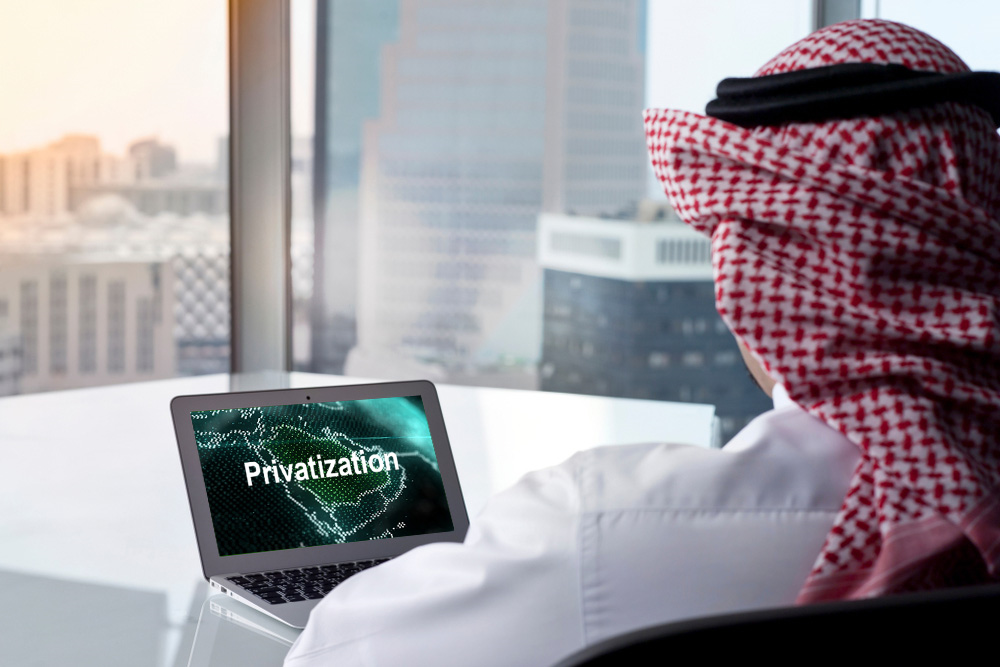
Inside Saudi Arabia’s Plan to Raise $55bn through Privatization

Saudi Arabia is planning to raise about $55 billion in the next four years as it embarks on a nascent privatization plan to boost revenue and plug its yawning budget deficit. The move by Crown Prince Mohammed Salman is part of the Saudi government’s plan to pull the country from the oil-addicted, state-dominated economy, and modernize the Kingdom.


A pipeline of 160 projects

According to the finance minister, Mohammed al-Jadaan, Riyadh has settled on a total of 160 projects across 16 sectors and public-private partnerships as major beneficiaries of the privatization program. This plan will go a long way in filling the yawning budget deficit, which has been a significant challenge in Saudi’s plans to upgrade its economy and modernize the country.

As part of the privatization program set to run through to 2025, Riyadh intends to outsource the management and financing of health infrastructure and services to the private sector. The move will also rope in transportation networks, school buildings, water desalination, sewage treatment plans, and airport services.


The government is also targeting the sale of particular assets, including television broadcasting towers, district cooling, and desalination plants, and government-owned hotels. The move is expected to raise the funds needed to drive the economy forward and improve the living standards of the people.


Driving force behind privatization move

Shedding light on the privatization issue, the finance minister stated that it no longer makes economic sense for the central government to run some services and utilities, hence, the need to outsource them to the private sector. This will go a long way to cut down government expenditure and ease the pressure on public finance.


The minister further said that Riyadh expected to raise revenue through the privatization program, and the funds would go into plugging the $79 billion deficit, the equivalent of 12% of its gross domestic product. This would improve state services to the citizens. Mr. Jadaan is hoping to raise $38 billion through asset sales, and another $16.5 billion through public-private cooperation.

The Aramco connection

Talks are already underway for the possible sale of 1% government stake in Saudi Aramco, which listed 1.7% of its shares in 2019. Aramco is the country’s global energy company. Shedding more light on the Aramco connection, the finance minister said Aramco was free to monetize its assets and channel the funds into new investments, but the government would monetize its shares in the company.

However, funds raised through future sales of Aramco shares would go to the Public Investment Fund (PIF), the body spearheading the country’s efforts to diversify its economy, rather than the treasury. PIF itself will remain immune to the privatization efforts because of its role in the growth of the economy.

The beginning

The country’s privation plans have been ongoing for the last three years, beginning with the sale of public flour mills, sports clubs, and a water desalination plant. But it wasn’t as fast as people would have expected, as only five asset sales had been made so far — Saudi Service Medical Center, and four milling companies.

However, the government isn’t expecting much foreign interest in privatizations. A Gulf analyst stated that the initiative would largely attract local businesses because foreign investors were still circumspect over the issue. He attributed the reluctance of foreign investors to the tarnished image of the Crown Prince’s leadership by the international community, citing alleged human rights abuses.

Benefits of privatization

The Saudi government looks forward to leveraging privatization to enhance its economy and plug its budget deficits. Although it seems to be slower than expected, the government hopes to raise a massive $55 billion in the next four years.


Here are some reason pushing the privatization program:

1.       Improved efficiency

The public sector is known to perform below par because it usually isn’t under any pressure to perform. Many public industries don’t even worry about competition because they are monopolies. By privatizing sports clubs, the health sector, and some milling companies, the Saudi government is looking forward to bettering services for its people. This is because private companies work for profits, forcing them to provide better goods and services.

2.       Way of raising funds internally

The government hopes to raise a whopping $55 billion internally, so it won’t have to worry about foreign dependence. Privatization will help it gather the financial resources needed to plug its budget deficits, instead of having to borrow from external financial firms, as other countries do.

3.       Cuts down government expenditure

Privatizing certain sections of the public sector relieves the government of its financial responsibility. Some of these public entities need huge sums of money to run and maintain, but may not fetch enough money in profits. A good example is the management of sports clubs, which the government hopes to sell to the private sector.

4.       Fosters economic democracy

The Saudi government hopes to broaden the space for the private sector struggling in a state-dominated economy. There had been numerous complaints from companies crowded out of the market by the PIF. Privatization should be a lasting solution to this challenge. As John Sfakianakis, a Gulf expert based at Cambridge University puts it, the government now wants to include the private sector in economic growth.

5.       Creation of jobs

The many Saudis locked out of employment from the public corporation now have something to look forward to as privatization takes shape in the country. The Gulf expert at Cambridge says the government wants to slim down on its business operations, reduce its liabilities, and outsource financial and health services to private entities. This would open up the private sector for more jobs.


You can take advantage of the privatization program

As the privatization move gathers momentum, it’s clear that local businesses stand to gain massively if they position themselves well. As a local businessperson, you need professional and experienced lawyers to help you understand the legal implications of privatization. Such lawyers will also help you interpret the privatization law, which the government will enact in July.


You can ensure your business is in the best position to tap into the privatization move by the government by partnering with the best law firm. If you are looking for the best lawyers, please contact HMCO today to get started.

Insight into The Implementation of Cybersecurity Framework in KSA

Indeed, the Kingdom of Saudi Arabia (KSA) continues to lead the way within the digital transformation arena. Implementation of the ambitious “Visions 2030” and the National Transformation Plan is making that a possibility. The result is the development of a wealth of digital products, services, and data, which attracts careful attention to cybersecurity. That explains why cybersecurity is not only a concern for players in the private sector in KSA but a matter of national security as well. The recent announcement by Saudi Arabia’s Communications and Information Technology Commission (CITC) regarding the implementation of a regulatory framework to improve cybersecurity in the Kingdom confirms that fact. The idea behind the “cybersecurity regulatory framework” for service providers in the postal services, communications, and IT sectors is raising service vendors’ security levels. The framework allows financial institutions with an affiliation with SAMA to identify and address risks relating to cybersecurity.  As such, member organizations must adopt the cybersecurity framework to foster online services and information assets protection. Note that the framework aims to periodically evaluate the effectiveness of cybersecurity controls and assess the maturity level at member organizations while comparing the data with other member entities.

Scope

The framework has objectives and principles for improving, initiating, monitoring, implementing, and maintaining cybersecurity controls in member organizations. It also provides cybersecurity controls applicable to the data assets of member organizations. These controls affect;

  • Communication networks (technical infrastructure), establishments, and equipment.
    •Electronic data.
    •Such information storage devices like USB sticks, hard disks, among others.
    •Physical documents or hard copies.
    •Such electronic machines like ATMs and computers.
    •Databases, applications, electronic services, and software.

Applicability

The cybersecurity framework applies to all member organizations that are SAMA affiliates. These include;

  • The financial market infrastructure.
    •All banks operating within Saudi Arabia.

You also need to understand that the structure of Saudi Arabia’s cybersecurity framework is within four major domains. These are;

  • Third-party cybersecurity.
    •Cybersecurity governance and leadership.
    •Cybersecurity technology and operations.
    •Cybersecurity compliance and risk management.

How Does The Cybersecurity Maturity Model Work in KSA?

The measure of the cybersecurity maturity level in KSA is according to a predefined cybersecurity maturity model. The maturity model distinguishes six maturity levels (0 to 5), and any member organization focusing on achieving levels 3, 4, or 5 must meet all the criteria of the preceding maturity levels. Below are details about each of these levels.


a) Level 0 – Non-Existent

  • There are no cybersecurity controls in place, and there may be no current plans for implementing cybersecurity controls since the risk area is unknown at this stage.
    •Documentation is unavailable.
    •Attention or awareness for specific cybersecurity control is lacking.

b) Level 1 – Ad-Hoc

  • A full definition of cybersecurity controls is lacking.
    •There is partial or no definition of cybersecurity controls.
    •The performance of cybersecurity controls is inconsistent.

c) Level 2 – Repeatable But Informal

  • Although the execution of the cybersecurity control is standard practice, the basis is unwritten and informal.

d) Level 3 – Structured and Formalized

  • Demonstration of the implementation of cybersecurity controls is possible.
    •The definition, approval, and implementation of cybersecurity controls is in a formal and structured manner.

e) Level 4 – Managed and Measurable

  • Documentation for periodic opportunities, measurement, and evaluations is available.
    •There is a periodic assessment of the effectiveness of cybersecurity controls and improvement of the same where necessary.

f) Level 5 – Adaptive

  • Cybersecurity controls remain subject to continuous improvement.

Practical Impact of The Cybersecurity Framework

First, understand that the impact of the wide array of Saudi Arabia’s cybersecurity regulations is compliance. That is achievable by considering various practical aspects, including;

Cyber Insurance

Whether cyber insurance or the cybersecurity solution should come first is still a matter of discussion. The reason is that there is less awareness regarding the importance of cyber insurance in the KSA, which is not the case when it comes to the need for having a reliable cybersecurity solution. Also, the market is awaiting an explanation concerning coverage and the role of cybersecurity services vendors in response and vulnerability.


The expectation is that cyber insurance will only develop in the Kingdom according to regulation due to compliance.

Cybersecurity Policies

The development of cybersecurity policies in Saudi Arabia continues in various institutions. The objective is to ensure that establishments have clarity regarding the cybersecurity measures in place. Additionally, the policies differ between stakeholders, industries, and organization structures. As such, the need to retain cybersecurity consultants who shed light on best international practices is becoming paramount.

As much as that is the case, the solution here is adapting international practices to local requirements. Remember that adequate implementation is a necessity when setting a cybersecurity policy. The reason is that officers and directors of particular institutions assume new responsibilities following the implementation of such a policy. So, investment in solutions and talent is inevitable in this case.

Solutions and Talent

The Saudi Federation for Cybersecurity, Programming, and Drones is committing to develop talent. That is due to the surging need for solutions relating to cybersecurity technology, including hardware and vulnerability-related services. Also, international providers of hardware, cybersecurity solutions, and software are now taking on projects in the Saudi market.

That is the case due to the successful attraction of foreign investors by the Saudi Arabian General Investment Authority, access to government tenders, and the existence of procurement law. Although any cybersecurity solution has particular exposures, the emergence of new risks continues to drive increased awareness of the need for cyber insurance.

Conclusion

There appears to be overlapping responsibilities and roles of various regulators when assessing the different initiatives focusing on cybersecurity in the KSA. As such, tolerance in enforcement may accompany over-regulation, and firms with a proven track record in the Saudi market will hardly experience challenges adapting to such changes.

However, there is probably an increasing regulatory risk for multinational players in the KSA regarding cybersecurity. So, taking a slower approach while allowing the cybersecurity framework to develop fully if full compliance is commercially unachievable is a wise idea. Also, regulation support can foster the rapid development of cyber insurance in the Kingdom since compliance appears to be a major driver in this case. if you need more information on the KSA’s cybersecurity framework, contact us today!

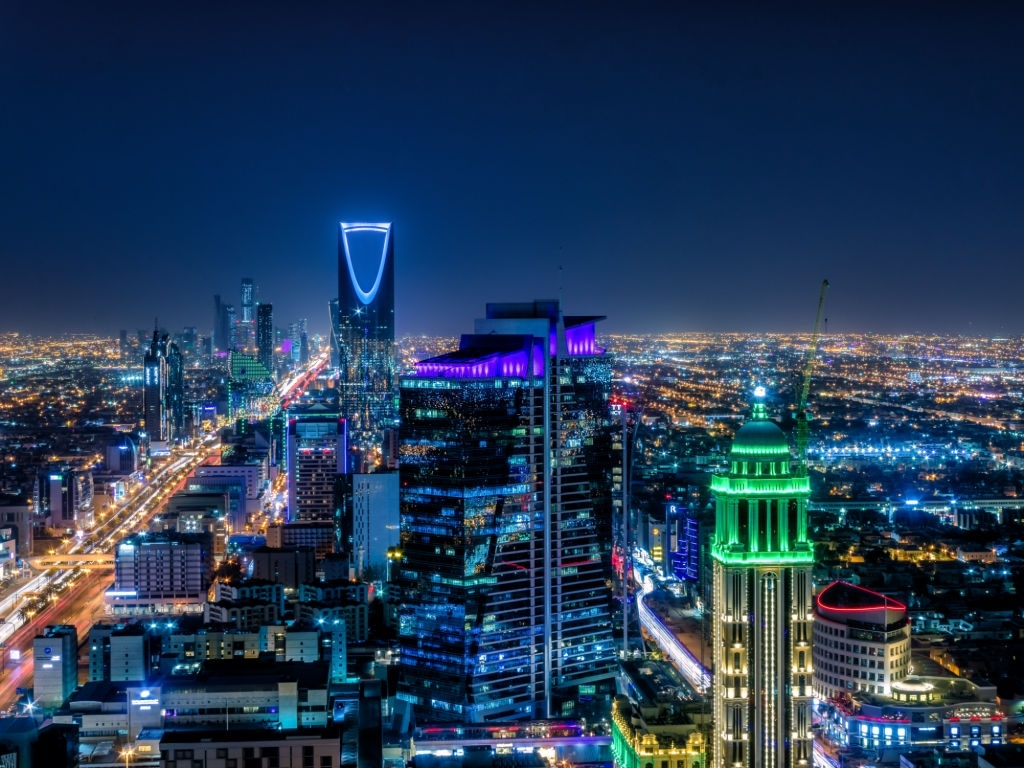
Riyadh: a place for ambitious entrepreneurs

According to the Saudi Gazette, “Riyadh is named the 14th most ambitious city in the world, with a population of over 7.3 million and an ambition index score of 328 out of 500.” That’s quite amazing and entrepreneurs should capitalize on the opportunities offered by establishing and operating a business in Riyadh. Expatica, for example, stated that Saudi Arabia “SR13 billion in foreign direct investment in 2018. It also ranks 41st on the Global Foreign Direct Investment Country Attractiveness Index.” Unsurprisingly, then, Saudi Arabia makes sense for many entrepreneurs and Riyadh is a great option.


The most common argument by the Saudi government is that the country is open for business. However, for foreign investors, this isn’t quite that simple. As an entrepreneur, you’ll find yourself in a party that contributes to about a fifth of the country’s GDP and efforts are being made to increase it to 35% by 2030. In 2019, according to the Global Entrepreneur Monitor report based on 49 countries, about 75% of the entrepreneurs surveyed viewed Saudi Arabia as having good opportunities for their entrepreneurship.

Business Types

Today, efforts have been made to make set-up procedures for entrepreneurs in Riyadh more streamlined. Entrepreneurs can also get tons of advice from a wide range of topics, from funding to marketing to export, from the Small and Medium Enterprises Authority, Meras, and Saudi Arabian General Investment Authority’s (SAGIA) Investment Services Centre. The last source is particularly beneficial for foreign investors because they can help with meeting the required formalities. There are three options for establishing entrepreneurship in Riyadh:


  • Limited liability company. To establish this structure, the entrepreneur must have at least 2 shareholders, but neither have to be a citizen and have at least SR500,000 in start-up capital. The maximum number of shareholders allowed is 50. Management must represent the company and there is no formal Board of Directors. This structure also has to undergo an annual audit. This structure is more challenging due to the requirement for approval for Articles of Association, which can establish requirements for management. If there are over 20 partners, the company must have a Board of Controllers. This is the most common type of company for foreign businesses in Saudi Arabia. Liability is limited to the interest held in the company by the shareholders. This method is popular for joint ventures with Saudi partners.
  • Branch office. This structure allows foreign companies to engage in commercial activity. The parent company has full liability associated with the branch. The minimum start-up capital required is SR500,000. Notably, since no Articles of Association must be approved, this structure is easier to establish than the limited liability company. To do this, you have to expand your business and have the required license. This establishes the scope of the commercial activities that can be undertaken. Even though this business type is not incorporated locally, it must deposit an amount equal to that required for limited liability companies. This deposit is “blocked” or held until the company gets the certificate of registration, issued by the Ministry of Commerce and Industry.
  • Representative office. This structure can represent a technical and scientific office, which allows a manufacturer to use a distributor to provide technical support locally. Typically, these are only allowed by foreign pharmaceutical companies. This structure is not allowed to engage in commercial activity, nor is it allowed to earn revenue. Essentially, the technical and scientific office is only allowed when there are complex products. Another option is a short-term business to fulfil a government contract (temporary company registration). Both forms are limited to the specific reasons it was initiated and cannot involve general promotion or solicitation of services.

Taxes in Saudi Arabia

Residents don’t have personal income taxes. However, taxes are paid for investing in a business. In this case, the tax is based on the share owned by the individual, unless the company is publicly traded. In those cases, an Islamic tax, known as zakat, is applied. Disposing of shares leads to a 20% tax on capital gains. Corporation taxes are based on income at 20%. Importantly, there are no capital or stamp duties, nor are there real property or inheritance taxes in Saudi Arabia.


Factors to Consider

The most important thing to consider are business factors. For example, you’ll want to consider the type of business and industry of interest. Other considerations are existing trade agreements/relationships, and headquarter nationality. If you’re not a Saudi national, you’ll want to hire someone that is to act on your behalf. This is because this individual will know how to best meet the expectations of the local community and how to adhere to cultural requirements. Note though, that about 80% of the labor force in the private sector are non-Saudi. Prior to investing, ask yourself:

  • What opportunities exist?
  • Are there expected changes to regulations and, if so, what are they?
  • What protections exist for my business?
  • Are there any incentives for foreign investment?
  • Can the capital I put into my business be repatriated from Saudi Arabia?
  • What impact is held by the geopolitical environment on the market?
  • How politically and financially stable is Saudi Arabia?
  • Is Saudi Arabia’s banking and financial system sufficiently developed?


As can be seen, there are many different opportunities for beginning a business in Saudi Arabia. The country’s capital — Riyadh — is a great option for those that have a valuable product/service to offer. However, as can be seen, there are many different things to consider from a legal standpoint, a financial standpoint, and a cultural standpoint. Without effectively researching different opportunities, it will be harder to establish a successful entrepreneurship within Riyadh.


Most importantly, you’ll want to assess your motivations for wanting to establish an entrepreneurship in Saudi Arabia and how it will help you meet your goals.These types of decisions are important because this type of investment is time-consuming and can be very difficult to undertake.


Considering starting an office in Riyadh or have you already made the decision? Contact us to see how we can help.

Saudi Arabia and World Bank Create $100m Fund to Develop Sustainable Tourism

The World Bank and Saudi Arabia have formed the first-ever $100 million global fund solely dedicated to sustainable tourism. Here are some insights on the fund and how it might impact international tourism.

Travel and tourism worst hit by the pandemic

The travel and tourism sector was the worst hit after the pandemic struck. The restricted movement to curb the spread of the virus brought the industry to a grinding and painful halt, rendering millions of workers jobless and many companies bankrupt.

International travel within the country dropped by 74% due to the pandemic while global tourism GDP nearly halved in 2020. This translated to nearly $5.5 trillion in losses in the industry globally, according to Princess Haifa bint Mohammed Al-Saud, the assistant tourism minister for executive affairs and strategy.

Steps are now being taken to revive the industry and modify it to live around the virus. Major stakeholders and industry leaders are trying to navigate around this health crisis and bring the tourism industry back on its feet.

The journey to recovery

According to Ahmed Al-Khateeb, Saudi Arabia’s Minister of Tourism, this will be the first and the only global fund dedicated solely to sustainable international tourism growth, and a significant step towards a more inclusive, resilient, and sustainable future for the sector. It will also be an opportunity to create a more responsible approach to tourism that uplifts communities and drives economies while preserving the environment and respecting local cultures.

He said this during the Tourism Recovery Summit 2021 in Riyadh. He further states that the Kingdom of Saudi Arabia is acting on sustainability, inclusivity, and collaborations. These, he says, are the core principles that will be responsible for the recovery of the tourism industry globally.

The minister added that as a new destination, the priority is to protect the country’s rich nature and cultural heritage and to set new standards in sustainability. The Giga projects will combine nature-adventure and cultural attractions in a way that adheres to the highest environmental standards.

Speaking at the same summit, Zurab Pololikashvili, secretary-general of the UN World Tourism Organization (UNWTO) said it has opened a regional office in Riyadh, and it is “a sign of hope for many people.” He noted that Riyadh and the kingdom are among the few countries still investing in tourism in these pandemic days.

Travel is slowly being restored as the vaccine is being rolled out. Governments have started easing up on travel restrictions and setting up precautions such as pre and post-travel testing for tourists. All this is in an effort to contain the spread of the virus while keeping the tourism industry alive. Saudi Arabia, which is the world’s largest oil exporter, is one of the many countries opening up its borders to tourists.

A street-less and car-less city

Neom, a city located in the North of Saudi Arabia, is developing as the first-ever modern city with no streets, cars, and zero carbon emissions. It will solely rely on natural transportation modes. This is an effort by the Kingdom to create a global destination that is powered by clean energy. The project has been dubbed “The Red Sea Project.”

In addition, Neom is set to be a $500 billion modern city with a nature reserve, coral reefs, and heritage spots. It is planned to contain a huge entertainment and sports center named Qiddya, in the capital. Also, the Red Sea Development Project will feature islands off the city’s west coast.

Saudi Arabia opened up to international tourism in September 2019 and has since announced a number of projects to attract visitors. These include a $530 million fund to develop key destinations across the Kingdom. Riyadh aims to raise the contribution of its tourism sector to its GDP from 3 percent to 10 percent, in a bid to modernize its economy and steer it away from oil dependence.

Tree planting initiative

The country also aims to plant 10 billion trees, as a green initiative to protect more than 30% of the Kingdom’s land and enhance its natural resources. During Saudi Arabia’s G20 presidency, the country hosted the first-of-its-kind private sector tourism event in conjunction with major stakeholders of the sector. This was an effort to come up with policies and strategies that will dictate the future of tourism during the pandemic.


Princess Haifa reported that they have changed the language in Saudi Arabia, revealing that they had switched from “jobs in tourism” to “careers in tourism”. During the pandemic, 35,000 jobs were created in the Kingdom at a time when the world was losing jobs in tourism”. Saudi Arabia also saw a 33% increase in money spent in the industry because of focusing on domestic tourism.

The Princess further added that a total of $3.71 billion was spent during the summer of 2020 alone. Saudi Arabia exceeded expectations regarding domestic tourism, despite the United Nations World Tourism Organization, or UNTWO, describing 2020 as the worst year in the history of tourism.

The kingdom restarted international travel on May 17th. At the annual Arabian Travel Market, Fahd Hamidaddin, the CEO of the Saudi Tourism Authority said that this year could be a turning point for the Kingdom’s tourism industry. He said that the fourth quarter of this year is bound to be profitable to them as the countries they are targeting reach a 70% vaccination rate.

Recovery from the pandemic in sight

According to Euromonitor International, a market research firm, Saudi Arabia will have recovered from the impact of the pandemic by 2025. This is due to inbound tourism spending, predicted to reach $25.3 billion by 2025. This impressive prediction is a sure-fire way to increase tourism GDP worldwide and Saudi Arabia has offered to chip in to bail out the tourism industry from the heavy losses suffered in 2020.

Saudi Arabia has pledged to give $100 million to boost sustainable and inclusive tourism all around the globe. This unique project looks like an extension of the strides taken by the kingdom to boost local and international tourism within itself and outside.

Take advantage of this opportunity

If you plan to take advantage of this enormous potential created by the fund, you will need to work with professional and experienced lawyers who are extremely conversant with Saudi law and international occurrences. If you are looking for such lawyers, please contact HMCO today, and get the ball rolling.