
Managing Construction Disputes in Saudi Arabia

The construction industry in Saudi Arabia has experienced significant growth in recent years, with numerous infrastructure projects and real estate developments underway across the Kingdom. From tourist attractions to transport projects, the Kingdom is undergoing a transformation fuelled by rapid infrastructure development.

While this trend presents significant opportunities for investors and developers, it has also given rise to its fair share of challenges, including construction disputes. These disputes can occur due to a variety of reasons and can often lead to costly and time-consuming legal proceedings.

Effective management of construction disputes is therefore crucial for the success of any construction project in Saudi Arabia. This article will provide an overview of common types of construction disputes in the Kingdom and examine the available dispute resolution methods.

Common Types of Construction Disputes in Saudi Arabia

It’s an unfortunate reality of the construction industry that disputes are a frequent occurrence. However, the root cause of many of these disputes can be narrowed down to several common issues. Here are the main types of construction disputes, which commonly arise in Saudi Arabia.

  • Design Faults and Errors. These types of disputes may arise when the construction design does not meet local regulations or when the design fails to match the specifications agreed upon in the contract.
  • Delay Claims and Disputes. Delays can be triggered by a range of issues, such as adverse weather conditions, modifications to the scope of work, or the late delivery of equipment or materials. This can impact the timeline of a project and lead to claims for compensation or other remedies.
  • Scope of Work Disagreements. Disagreements about the scope of work can lead to disputes during the completion of construction projects. These disputes can occur when relevant parties disagree over the interpretation of the contract, or when there is unclear contract language, or an unexpected change in the scope of work.
  • Payment and Billing Disputes. Disagreements over payment are common in Saudi Arabia’s construction industry, with contractors and subcontractors sometimes coming into conflict over compensation for unpaid work or additional work that was not included in the original contract.
  • Contractual Obligation Disputes. Finally, contractors and developers may disagree about the terms of a contract, such as payment schedules or other contractual obligations, leading to costly and time-consuming disputes.

Dispute Resolution Methods in Saudi Arabia

When construction disputes arise in Saudi Arabia, there are a variety of dispute resolution methods available for the parties involved to resolve their disagreements. These methods can include litigation in the courts or alternative dispute resolution (ADR) methods, such as mediation, arbitration, and expert determination. Here’s a brief overview of each of these dispute resolution methods:

  • Litigation in the Courts. The most traditional method of resolving disputes is through litigation in the courts. The dispute is presented before a judge, who decides on the outcome of the case. Litigation can be a time-consuming and expensive process and may not always result in a favourable outcome for all parties.
  • Mediation is an ADR method in which a neutral third party, the mediator, assists the parties in reaching a mutually acceptable solution. Mediation is voluntary and confidential and can often result in a faster and more cost-effective resolution to the dispute.
  • Arbitration is another ADR method in which a neutral third party – the arbitrator – listens to both sides of the dispute and renders a binding decision. Arbitration can be faster and less expensive than litigation, but it can also result in a limited ability to appeal.
  • Expert Determination. Expert determination is an ADR method in which an independent expert is appointed to determine the outcome of a dispute. The expert’s decision is binding, and the process is often faster and less formal than other ADR methods.

Resolve and Prevent Disputes for a Stronger Construction Industry

Construction disputes in Saudi Arabia can be costly and disruptive for all parties involved, delaying the completion of projects, and causing financial losses. However, construction disputes in the Kingdom are an unfortunate but common reality for stakeholders within the industry. By understanding the common types of construction disputes, stakeholders can take proactive steps to mitigate the risk of disputes occurring in the first place.

Additionally, by utilising the appropriate dispute resolution methods available, such as mediation or arbitration, stakeholders can resolve disputes more efficiently and effectively than through traditional litigation. If you need help with a construction dispute in Saudi Arabia, it is best to seek legal advice from a qualified expert who can guide you through the process and help you reach a resolution.

A Summary of Saudi Arabia’s Mediation Draft Law

Saudi Arabia recently introduced a draft law introducing mediation as an alternative way to resolve disputes. This law is currently in the 30-day public consultation phase, and once implemented, it will apply to all legal entities registered with the Ministry of Commerce who are engaged in commercial disputes.

The law defines mediation as a process in which two or more parties come together to resolve their disputes with the assistance of a neutral third party (the mediator). It is intended to provide a more efficient and cost-effective method for resolving disputes between parties outside of the court system while ensuring that their rights are protected.

What Does the Law Mean for Parties Involved in Disputes?

The law lays out a framework for mediation and outlines the requirements that parties must meet in order to participate in this process. Here are some key takeaways from the new draft law below.

Confidentiality and Privacy

Mediation must be conducted in a confidential setting, which includes both in-person and virtual sessions. The mediator is bound by a duty of strict confidentiality and all parties involved in the mediation session must agree to maintain a similar standard of confidentiality. This means that the mediator and all participants must agree not to disclose any confidential information obtained during the mediation process and nothing that is discovered during mediation may be used as evidence in court.

Selecting a Mediator

The mediator must be approved by the Saudi Centre for Commercial Arbitration, with the appropriate qualifications and accreditation. The mediator will act as an impartial arbiter and facilitate communications between the parties in order to reach a resolution that is acceptable to everyone involved. The parties involved in the mediation session are responsible for paying the mediator, and the mediator’s fees should be agreed upon before the mediation session begins.

Terminating Mediation

If one of the parties decides to terminate the mediation, the law states that all information discussed during the session must remain confidential and may not be used in any subsequent legal proceedings. Failure to appear for a mediation session will also result in a termination of the mediation, and any expenses incurred in relation to the session will be borne by the party that failed to appear.

Mediation Agreements

The agreement reached through the mediation session must be recorded in writing and signed by both parties. This agreement will be enforceable by law and the parties are expected to abide by the terms of the agreement. There are a few exceptions to this, such as cases in which one or both parties are discovered to have been fully competent at the time of the agreement or if the mediator seriously violated their duties during proceedings.

How Does This Law Benefit Businesses in Saudi Arabia?

The introduction of this draft law is a positive development for those seeking to resolve disputes through mediation. Not only does it bring the Kingdom in line with international best practices for commercial mediation, but it also facilitates a more business-friendly environment. It creates a framework that ensures fairness, transparency, and privacy for all parties involved.

The law provides legal certainty and clarity, which should encourage more individuals and entities to explore mediation as an alternative dispute resolution method. As a result, businesses will benefit from a faster and more cost-effective way to settle disputes and will benefit from greater peace of mind while operating in Saudi Arabia.

An Insight into Kuwait’s Economic Market

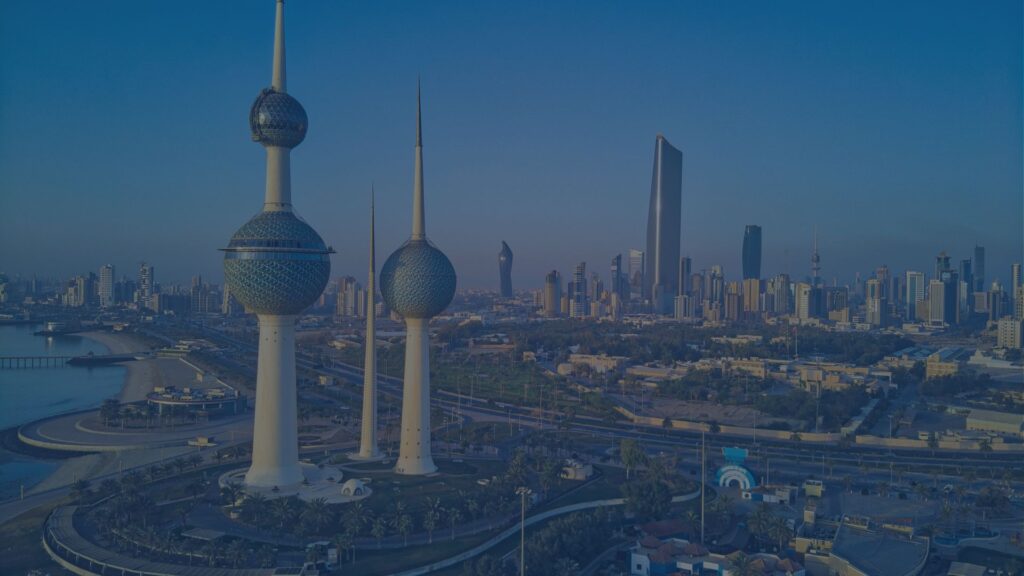
Situated at the tip of the Persian Gulf, Kuwait is a small but fascinating oil-rich nation, with a population of just over 4 million people. Before its reinvention as a global oil supplier, it was a busy trade port, connecting merchants and traders between ancient Mesopotamia, Persia, and India. Today, Kuwait is considered one of the most prosperous countries in the Middle East – it has one of the highest GDPs per capita and is a major player in the global oil industry.

It currently holds around 7 percent of the world’s oil reserves and is one of the wealthiest nations in the region. But there is more to modern-day Kuwait than just oil. In this article, we will explore some of the exciting investment opportunities that Kuwait has to offer.

Exploring Kuwait’s Economic Opportunities

There are plenty of reasons why Kuwait should be on the radar of investors. Thanks to its long history of oil production, Kuwait has benefited from a stable economic foundation on which to build further prosperity. Here are some of the economic opportunities Kuwait has to offer:

Infrastructure Development. Kuwait’s government is making enormous investments in infrastructure projects, aiming to build a new subway system and modernize its airport in the coming years.

Oil-backed economy. While Kuwait makes gains in developing other economic sectors, its significant oil reserves provide investors with a stable economic foundation for investment.

Politically stable. Kuwait ranks well in terms of political stability, providing a beacon of security among the turbulent political climates of other countries in the region.

Business-friendly. Kuwait has created a business-friendly atmosphere, with its open economy characteristics, favorable taxes, and an active venture capital market.

Kuwait’s Most Well-Developed Sectors

Kuwait boasts a diversified economy and is home to some of the most innovative start-ups and modern business ventures in the Middle East. The government has made considerable strides towards liberalizing the economy, making it easier to invest and start businesses. Let’s take a look at some of the most profitable opportunities (outside of the oil sector) in Kuwait.

Renewable Energy

With the increasing demand for electricity and the growing threat of global warming, Kuwait has invested heavily in renewable energy sources. With a goal of 15% of its energy needs being supplied by renewable sources by 2030, solar and wind projects are featuring prominently in Kuwait’s energy sector.

Finance

Kuwait boasts a flourishing banking sector, making it an attractive option for investors looking to take advantage of its highly competitive financial services industry. Regional and international banking institutions are well-established here, so businesses in the finance domain will find all that they need to explore the market.

Technology

As the government seeks to digitize the nation’s healthcare system and bring its other industries up to international standards, technology and ICT companies are finding excellent opportunities for growth in Kuwait. Cybersecurity, mobile application development, and software development are some of the most in-demand industries in the country.

Real Estate

Although Kuwait is a small nation, demand for housing is beginning to pick up pace. The government has recently started to devote its resources to the development of this sector, creating even more attractive opportunities for investors.

Kuwait’s Trade Relationship with Saudi Arabia

Kuwait and Saudi Arabia have a long history of trade ties, with Kuwait often serving as the gateway to regional markets. The two countries share many cultural and economic similarities, making Kuwait an ideal partner for Saudi businesses and investors.

The United Nations COMTRADE database on international trade has revealed that Saudi Arabia’s imports from Kuwait totaled US$566.55 million in 2021, and in the same year, Kuwait imported US$149.89 Million in goods from Saudi Arabia. KSA primarily imports petroleum-related products, paper, iron, and steel from Kuwait, whereas Kuwait largely imports Saudi dairy products, plastics, and soaps.

Kuwait: A Strategic Investment Hub

For investors with an eye for the Middle East, Kuwait is an obvious choice. With its strong economic fundamentals and strategic location, Kuwait provides investors with a stable opportunity to diversify their portfolios. Non-GCC, foreign-owned companies can own 100% of their subsidiary in Kuwait with approval from the Kuwait Direct Investment Promotion Authority (KDIPA). Alternatively, non-GCC foreign investors may join forces with a local Kuwaiti partner and own up to 49% of the company. There is no double taxation treaty between Kuwait and KSA, however, Gulf nationals are not required to pay corporate or personal income tax in Kuwait. Except for the requirement to retain 5% of the contract or transaction value by entities in Kuwait on payment to any incorporated body (which will be released at the presentation of a tax clearance certificate), Kuwait does not have any other form of withholding tax regime on payments made by residents to a non-resident.

Reserved Matters: Desirable Governance, Not Back-Seat Control

Reserved Matters is a term that is used in the corporate management world that refers to a particular set of situations or decision points that are reserved for the approval of a certain person or group of persons. In the private equity and venture capital worlds, such certain person or persons tend to be the investors or minority shareholders.

The existence of these Reserved Matters gives the approving persons a veto right over the company proceeding with actions involving the particular set of situations or decision points identified as Reserved Matters. Shareholders therefore tend to use Reserved Matters to address points of particular risk to them where they feel that the decision making body (board or shareholders meeting), who would otherwise have authority to decide on the situations or points in question, may decide in a manner that is against their interest if it were to proceed on standard (majority) basis. This, in turn, enhances the governance of the company and ensures that its various stakeholders are well represented and catered for.

Reserved Matters are customarily addressed in shareholders’ agreements and negotiated prior to consummating an acquisition or investment. In certain jurisdictions, including ADGM and Saudi Arabia, it is also recommended to reflect the reserved matters in the relevant entity’s constitutional documents to avoid lack of clarity on the enforceability of the provisions.

Protecting Minority Shareholders

Companies laws tend to favor majorities in decision making in relation to companies. A majority of board members is the base for approving decisions before the board, and a majority of shareholders customarily form the base for approving most shareholder decisions. Because of this standard tendency, incoming minority shareholders, especially investors, will wish to protect their interests where they may conflict with those of the majority of the shareholders, or where they may steer the company in a direction that is contrary to their investment purpose.

With the foregoing in mind, it important to remember the timing and agility impact Reserved Matters introduce into the decision-making process, and how requiring the approval of a specific sub-set of decision makers may slowdown company progress and growth. Therefore, where Reserved Matters are established to protect minority interests, it is advisable to also consider quorum and deadlock provisions that can enable the company to push forward without significant delays.

Not Back-Seat Control

It is vital that minority directors or representatives of shareholders entitled to veto rights in respect of Reserved Matters keep in mind that they may owe certain legal obligations to the company, which legal obligations may influence their vote. As such, the abuse of such power to approve Reserved Matters may, at time, subject the shareholders to legal challenges. In general, it is also not advisable that minority shareholders or investors attempt to exert back seat control over a company by deadlocking its decision making through Reserved Matters. Industry best practices is to use Reserved Matters as a shield to protect investors, rather than a sword to exert their influence.

Where the protected minority is a group of persons rather a single shareholder or investor, it is best practice that Reserved Matters are approved by a majority of the protected persons, being shareholders or directors. This reduces the likelihood of having to cater to holdout individual positions, or subject the company to lockups resulting from a very small number of shares.

Types of Reserved Matters 

Customarily, Reserved Matters fall into 3 categories: preferred shares or investor reserved matters, board reserved matters, and statutory reserved matters. Let’s take a closer look at each category and what it means for companies and shareholders.

Preferred Shares / Investor Reserved Matters

This type of Reserved Matters is customarily structured to protect preferred shareholders or investors. By invoking such reserved matters, certain decisions that impact the preferred shareholders or investors cannot be made without receiving a “yes” vote from a majority of the shares that includes a majority of the preferred shares or the investors. Decisions that are typically included in Preferred Shares / Investor Reserved Matters include decisions that will:

  • Change the terms of the shares in any way at all, no matter how small,
  • Create a new class or series of shares, or digital coins or tokens,
  • Increase the number of shares available to employees, outside consultants, or investors,
  • Cause shares to get repurchased,
  • Result in shares becoming listed on an organized exchange platform,
  • Cause a subsequent liquidation event,
  • Alter the size of the board of directors or managing body and its authorities,
  • Result in the dissolution of the company, and
  • Permit borrowing above a certain debt ceiling.

Board Reserved Matters

Board Reserved Matters are decisions structured to protect minority shareholders by subjecting certain board decisions to the approval of the minority-elected board members. This typically includes decisions pertaining to:

  • Approving the business’s annual budget,
  • Giving the green light to a proposed business plan,
  • Appointing auditors or changing them,
  • Altering the company’s accounting policies,
  • Acquiring, redeeming, or issuing shares and equity securities,
  • Borrowing or guaranteeing debt, usually above a certain ceiling,
  • Agreeing to a settlement including litigation or arbitration for disputes on the company’s behalf, usually above a value threshold.
  • Licensing, selling, or transferring company property, whether it be physical, digital, or intellectual,
  • Altering the company’s business or entering new business lines,
  • Making impactful changes to the company at any level,
  • Approving expenditure requests above a certain percentage of the already approved budget,
  • Entering into or terminating any contracts with shareholders or other conflicted parties,
  • Changing compensation policies as it relates to benefits, retirement plans, healthcare, leave, and salaries, and
  • Filing for bankruptcy.

Statutory Reserved Matters

Statutory laws pertaining to companies also customarily provide for certain Reserved Matters, which may or may not be varied. Saudi Arabia’s Companies Law, by way of example, provides for certain situations to be approved by a certain level of share votes, which may or may not be varied by shareholders.

As an example, in limited liability companies, matters requiring a 100% affirmative vote are:

  • Deciding to change the company’s nationality
  • Making shareholders responsible for debts that exceed half of the business’s share capital
  • Financially increasing the liability of the company’s shareholders

and matters requiring a 75% affirmative vote are:

  • Agreeing to proposed amendments to the company’s Articles of Association (AoA).

Corporate Advisors

We highly recommend that you consult your lawyers when negotiating or considering your compliance with reserved matters. As you may have gleaned from the above, many of the typical reserved matters are key decision points in the life of the company, and should be weighed expertly.

The attorneys at Hammad & Al-Mehdar represent over 35 years of experience in providing corporate law services in Saudi Arabia and the UAE. Contact us today to discuss how we may be able to support your corporate legal requirements.

Your Guide to Navigating KSA Construction Claims in the current climate and the effects of the COVID-19 Pandemic

KSA construction claims are either against the contractor by the owner or against the owner by the contractor, similarly, construction claims may also be made between the contractor and the subcontractor. They are a prevalent part of the construction business, and their successful management plays a large role in whether the contractor can stay in business long-term. In this highly volatile economy, things are changing at a faster than ever pace. This is your guide to navigating KSA construction claims in the current climate.

Why Do KSA Construction Claims Happen?

Construction claims occur when goals or expectations on either the contractor’s or the owner’s end are not met. In most cases, it is due to a breach in the agreed-upon timeline, services provided, or money. KSA construction claims can happen as a result of errors, change orders, poor project planning, or a change in the scope of the project. If not managed correctly, the successful completion of the project may be at stake.

Proper KSA claim management involves 4 steps:

  • Claim prevention – This is when detailed project plans are created, including the scope, requirements, and timeline. After the contract has been enacted, you are no longer allowed to revisit this phase.
  • Claim mitigation – Reducing the chance of a claim is best achieved through a realistic and well-developed scope as well as the utilization of risk management plans.
  • Pursuing claims – To pursue a claim, the amount of time the project is delayed and/or the additional costs involved should be defined.
  • Resolving claims – If parties cannot reach an agreement on their own, then the claim may go into negotiations, arbitration, mediation, and even litigation.

The Rights of Contractual Parties

COVID-19 brought about unprecedented times. Every industry has had to pivot and adjust, including the construction industry. As a result of the pandemic, three doctrines were enacted under KSA law regarding construction claims.

  • Force majeure (Quwa Qahira) – A situation in which a construction property is delayed or unable to be completed due to unforeseen circumstances.  The key is that these unforeseen circumstances must be outside of the party’s control.
  • Emergency situation (Al Dhorouf Al Tari’a) – A situation in which hardship makes it extremely difficult to complete the job within the defined timeline (however not impossible).
  • Impossibility (Istihala) – A project is unable to be completed because it is impossible for one reason or another as a direct result of COVID-19.
  • Saudi Law stipulates that during these unprecedented times, one or both parties may have the right to extend or delay deadline, request additional costs, or suspend and terminate the contract.

When Does Force Majeure Take Effect? 

According to the KSA Supreme Court in its decision no. m/45 dated 08/05/1442H, Force Majeure can be enacted if COVID-19 makes it impossible to meet the contract’s terms. The party claiming force majeure must prove beyond a shadow of a doubt that COVID-19 is the reason the project is unable to be completed or must be suspended.

For instance, one of the most well-known byproducts of COVID-19 is the delay in the production and shipment of goods. If you cannot finish a construction project due to the inability to obtain goods in a timely manner, force majeure may be enacted in such circumstances.

When Does Emergency situation (Al Dhorouf Al Tari’a) Take Effect? 

Hardships due to COVID-19 can make it all but impossible to successfully complete a project. Potential hardships due to COVID-19 include:

  • Delay in obtaining the required materials.
  • Lowered productivity due to social distancing.
  • Difficulty accessing the construction site.
  • Employees out of work due to COVID-19.

Criteria required to meet the Emergency situation (Al Dhorouf Al Tari’a):

  • The contract must have gone into effect prior to COVID-19, meaning that neither party had an opportunity to put provisions in place.
  • COVID-19’s effect must be clear and unavoidable.
  • COVID-19 is the only cause of the breach of contract.
  • The claim has not been settled in any way.
  • The effects of the COVID-19 pandemic were not addressed by another specific KSA law or the relevant competent authority.

When Does Impossibility (Istihala) Take Effect? 

Similar to hardship, impossibility or Istihala is a situation in which it is deemed impossible to finish a construction project. In order to avoid a claim, due to impossibility, you must be able to prove that the contract cannot be honored due to the unforeseeable events of COVID-19. A couple of examples include:

  • The inability to get the needed materials to continue with or finish the construction project.
  • Lack of the needed workforce due to an outbreak of COVID-19 or voluntarily choosing not to work in order to further protect themselves and high-risk family members.

Possible Relief Options Under KSA Law

If your construction claim is deemed to meet the criteria for any of the three doctrines enacted as a result of the pandemic, then the following relief options may be available:

  • Payment – The contractor has the right to request additional payment for the project if the cost of materials, labor, and additional resources needed for the job have increased as a result of COVID-19.
  • Suspension/termination of contracts – If the other party does not agree to additional payment or an extended deadline, the contract can be suspended until normalcy is restored or terminated.
  • Contract amendments – KSA courts may also grant amendments to contracts to reduce required quantities of service when materials are difficult to come by.

The Bottom Line

It is important to note that these are guidelines set forth by the KSA Supreme Court. They do not replace current construction claim Saudi laws but are rather an extension of them due to the extenuating circumstances brought about by COVID-19. The KSA Judiciary is responsible for addressing construction claims that are not able to be resolved between the parties involved.

Hammad & Al-Mehdar are the most trusted attorneys in Saudi Arabia, offering a full suite of business and corporate legal services. We provide a local presence with powerful, international capabilities to ensure you receive unrivaled focus and expertise in all corporate matters, including construction claims. Contact us today for more information on how we can help you with your legal needs.

Hammad & Al-Mehdar Contributes to the Saudi Arabia Chapter in The Cartels and Leniency Review, 9th Edition

Saudi Arabia Chapter in The Cartels and Leniency Review, 9th Edition

Hammad & Al-Mehdar’s partner Belal Hashmi has authored the Saudi Arabia chapter in the leading competition publication of The Cartels and Leniency Review, 9th Edition, published by The Law Reviews in January 2021. 

The Cartels and Leniency Review bring together leading competition law experts from 26 jurisdictions to address an issue of growing importance to large corporations, their managers, and their lawyers: the potential liability, both civil and criminal, that may arise from unlawful agreements with competitors as to price, markets or output.

The chapter is available for download here.

Background About the Author:

Belal Hashmi is a partner at Hammad & Al-Mehdar in Saudi Arabia. He is an analytical professional with a vast educational background and extensive legal experience in leading commercial and corporate practices and strategic legal initiatives while overseeing compliance and risk management operations. He has demonstrated experience in advising clients on complex cross-border M&A and joint venture transactions, corporate structuring and reorganization, and negotiating with government regulators. He is skilled in establishing and maintaining communication and collaboration across various business units, practice groups, legal departments, and corporate functions to resolve complex business and risk management issues. Belal diligently maintains his knowledge of current laws, regulations, and legislation to ensure continuous corporate compliance. Belal double majored in literature and political science and held a bachelor’s in law from the University of Punjab.

The GP Series Part 5 – Management Fees and the Importance of Being Fair

The Importance of Management Fees

Management fees play a crucial role in private equity funds in that they permit the fund manager or general partner (GP) to generate an income stream from the fund to cover its costs for operating and managing the fund. At their core, management fees are designed to provide fund managers with the ability to pay salaries and cover overhead expenses such as office space associated with running the fund or funds. This directly translates into the fund’s health (recall funds’ reliance on attracting and retaining key persons) and consequently returns for the limited partners (LPs). Just as important from a fairness standpoint is the management fee offset, which credits back to the fund, and therefore the LPs, external streams of income generated by the GP and that are related to fund. This article discusses in detail the management fees and offsets in private equity funds and best practices in fund management that provide for fairness to managers and LPs.

The Purpose Drives the Fees

As noted earlier, the core function of management fees is to provide fund managers with income streams that permit them to pay salaries, retain advisors, and cover costs related to managing the fund, be it direct costs such as travel or overhead such as office rent (more on this below). It is important to establish a premise at the outset, which is that to align the financial interests between the fund managers and investors, it is universally accepted that fund management salaries are decent, but not handsomely rewarding, pushing fund managers therefore to rely on carried interest and fund returns for rewarding paydays. With that premise in mind, because the costs associated with running a fund change over the course the fund’s life cycle, it is only logical that the management fees charged by the fund manager to the fund also change overtime. The typical private equity fund has 3 life stages:

  • Investment period – During the investment phase of a fund’s life, the GP will be occupied with sourcing and making investments. For this reason, the management fee is at its highest and paid in advance every quarter. Market standards are at 1.8% to 2% during this period, but can fall outside this range for single asset funds (lower) and highly diversified or EM funds (higher).
  • Harvesting period – After the investment period, the fund is no longer able to make new investments. Therefore, the GP’s role is reduced to support existing investments, review and report on them, and sell or liquidate the positions. Due to the reduced role, GPs should expect that management fees will stepped down. We customarily see reduction of 0.25% quarterly to a minimum of 1%. At this point, however, the GP and key persons should also be able to raise or close on a subsequent fund, permitting them a new stream of management fees.
  • Extension period – By standard, private equity funds have a term of 10 years. However, the GP can choose to extend the fund by 1 or 2 years to allow it additional time to liquidate some final fund assets and distribute proceeds. Because this is elective to the GP, who is holding on to the assets to maximize their value (and its carried interest), and because the costs are very limited to liquidating final assets, standard market practices provide that the fund will not pay to the GP a management fee during extension periods unless the LPs agree otherwise.

The management fees and stepdown structure are customarily set out in a very clear manner in the limited partnership agreement (LPA) or fund terms and conditions to allow the investors to understand them and examine them clearly.

Inclusions in Management Fees

Management fees are directly related to the reasonable costs of operating the fund. How management fees are derived should be transparent to LPs and investors just as they are to the GP to prevent conflicts of interest and a negative feel of being overcharged. Costs that GPs should expect to be covered by the management fee include:

  • Conferences, research and information services, and computers and software;
  • Consultants and advisors retained in relation to fund investments;
  • Travel and entertainment;
  • GP regulatory compliance costs, licensing costs, and cost for maintaining books and records; and
  • Office space, furniture, facilities, and communications costs.

Management Fee Offsets

Private equity fund managers or GPs can generate income streams outside of management fees in connection with the fund. Examples of these streams include board membership fees received from fund portfolio companies, monitoring fees or transaction or broken deal fees from fund investments, and advisory fees from portfolio companies or in connection therewith. Because the fund manager is receiving the management fee to manage the fund, fairness and alignment of financial interests dictate that it should not also receive fees from fund portfolio companies or investments. As such, it is a standard practice that the types of income streams noted above, if received, would be offset against the management fees. Market practice in this regard is that 100% of such other fees would be offset against management fees payable by the fund. That said, we do see at times offset provisions that provide for a lower offset percentage, or that permit the GP to charge management or other fees in connection with co-investments along the fund. The provisions relating to the offset are usually reflected in the fund terms and conditions or LPA.

The GP Series

The GP Series is a series of practical guidance notes prepared by Hammad & Al-Mehdar’s PE and VC team that are designed to guide GPs and practitioners on best practices relating to private equity fund management.

The attorneys at Hammad & Al-Mehdar represent over 35 years of experience in providing legal services in Saudi Arabia and the UAE at international standards. Contact us today to discuss how we are able to support the legal demands of your private equity fund.

Hammad & Al-Mehdar Contributes to the Saudi Arabia Chapter in the International Comparative Legal Guide on Digital Health 2021, 2nd Edition

Digital Health Chapter

Hammad & Al-Mehdar’s partner Suhaib Hammad has authored the Saudi Arabia chapter in the International Comparative Legal Guide publication on Digital Health, 2nd edition, published by Global Legal Group Ltd in March 2021.

The chapter covers issues such as digital health and healthcare IT, regulatory, digital health technologies, data use, data sharing, intellectual property, commercial agreements, AI, and machine learning and liability. Saudi Arabia is one of the 22 jurisdictions included in the prominent edition of Digital Health Laws and Regulations 2021.

To download the chapter, please click here.

Hammad & Al-Mehdar Advises on Financing of MENA’s Largest Regulated Open Banking Platform

A cross-discipline Hammad & Al-Mehdar team advised Tarabut Gateway on its $13 million series seed financing, led by Berlin-based venture capital firm Target Global, and joined by Kingsway Capital, Entrée Capital and regional investors: Al-Zamil Investment Group, Global Ventures, Almoayed Technologies and Mad’a Investment.

The round is the largest fintech seed round in MENA, and a promising 2021 start for the ecosystem and the fintech industry.

Tarabut Gateway is MENA’s largest regulated open banking platform, licensed by the Central Bank of Bahrain. The platform enables the collaboration between financial institutions by accessing financial data of the partner bank’s customers and allowing them to build new apps and services. Currently, Tarabut has offices in UAE, London, Manama, and is planning to expand regionally.

The HMCo team was led by partner Abdulrahman Hammad, and included Samy Elsheikh, Tarek Bilani, and Layla Tatwany.

Hammad & Al-Mehdar Contributes the Saudi Arabia Chapter to The Mergers & Acquisitions Review, 14th Edition

Hammad & Al-Mehdar partner Abdulrahman Hammad and senior associate Samy Elsheikh author the Saudi Arabia chapter of The Mergers & Acquisitions Review, 14th edition, published by Law Business Research.

The chapter provides a deep dive into the relevant laws and regulations relating to the Saudi Arabia’s M&A sphere, and is an important comparative reading for counsel and managers looking acquisitions or divestitures in the Kingdom.

The chapter is available for download here.