
How Saudi Arabia Protects Minority Shareholder Rights

Saudi Arabia Capital Market Authority (CMA) has passed several sweeping reforms to bolster protections for minority investors in Joint Stock Companies (JSCs) over the last five years. Recently, the World Bank recognized the Kingdom for its improvements. The initiatives are part of Saudi Arabia’s Kingdom Vision 2030. This strategic plan will help diversify the nation’s economy and reduce its dependence on oil-based businesses. It will also develop public sectors such as education, health, infrastructure, recreation, and tourism.

The organization ranked the nation as seventh in the world for its strong protection of minority shareholder rights in its “Ease of Doing Business” Index. Saudi Arabia jumped from its previous 63rd position to the top ten within a single year, according to Mohammed El-Kuwaiz, Capital Market Authority chairman. The nation was also named to the World Bank’s Top-20 Improvers in Doing Business 2020 list.

This article will discuss recent laws and amendments that will impact minority investor rights in Saudi Arabia.

Protections for Shareholders of Public Firms under Saudi Company Law

A minority investor is someone who owns less than a 50 percent stake in a company. Under Saudi Company Law, the nation has created protections for minority shareholders of public firms in its company law.

Under sections 76, 77, and 78, minority investors now have the statutory right to seek legal remedy against directors who abuse or mishandle their company’s operations. These directors can be jointly liable to compensate the firm and its shareholders.

Additionally, a company can file a liability suit against its directors when the board’s decisions have harmed all shareholders. Individual shareholders can also sue when directors’ actions damaged specific ones. Investors may only file suit if the firm’s litigation right remains valid, and they must notify the company that they will sue.

Recent Saudi Amendments that Will Impact Minority Investor Rights

Last year, the Council of Ministers approved 11 amendments to the Companies Law. Here are five changes to CL that will affect investor rights.

  • Ability to call meetings – Under previous Companies Law statutes, only shareholders (who represented half of the capital) could call an extraordinary general assembly meeting. The new Amendments have lowered the threshold. Now, shareholders who represent only 10 percent of capital can call a meeting.
  • Shareholder investigations – Shareholders (who represent at least five percent) may now initiate investigations by a competent judicial authority. They can ask for an investigation when the Joint Stock Company’s directors or auditors have acted suspiciously. (Article 100 of the New Companies Regulations).
  • Minority investor protection in JSC – There are new protections for minority shareholders in the New Companies Regulations. These include the following. Shareholders can only nominate board members based on the shareholder’s share percentage.
  • Cumulative voting procedures – Saudi law mandates cumulative voting for board appointments.
  • Independent audits – The statutes require each JSC to hold a general assembly-appointed audit committee separate from the JSC’s board of directors.

Saudi Law Minority Shareholder Rights during Mergers & Acquisitions

Saudi Arabia has approved several new statutes to protect minority investor rights during mergers and acquisitions. In 2017, the CMA’s Board of Commissioners issued a resolution to update the Merger and Acquisitions Regulations. These provisions replaced the previous one adopted in 2007.

The update resulted from the CMA’s efforts to regulate mergers and acquisitions within Saudi Arabia. The articles comply with the new Companies Law and best international standards for mergers and acquisitions. Investors should be aware of the following regulations.

Provision One: The Companies Law Article 94

Here are several statutes that protect minority shareholder rights under the Companies Law Article 94.

  1. Validation of Meetings – An extraordinary general assembly meeting isn’t valid if only shareholders representing half of the company’s capital are in attendance unless the business bylaws allow for a higher proportion provided that such proportions shall not exceed two-thirds.
  2. Notification for Second Meetings – Businesses must notify shareholders about a second meeting when they don’t reach a quorum at the initial one. The notice should comply with the Companies Law Article (91). The second meeting can be held an hour following the first. Companies must tell shareholders that a second meeting is possible when they advertise the initial assembly. The Authority will only validate meetings that have investors (representing one-quarter of the company’s capital) attending.
  3. Quorums Are Not Required at Third Meeting – Companies should send a notice about a third meeting when shareholders don’t reach a quorum at the second one. The notice should follow the standards outlined in Article (91) of the Companies Law. Once a competent authority approves the third meeting, it is valid regardless of the number of shareholders represented.
  4. Adopting Resolutions – At the extraordinary general assembly, a two-thirds majority vote of represented shares should adopt the resolution. These measures relate to capital increases/decreases, term extensions, and the termination or merger of the company will only be valid if shareholders reach a three-fourths majority vote.
  5. Publishing Amendments and Resolutions – According to Article (65) of the Companies Laws, the Board of Directors must publish the resolutions adopted by an extraordinary general assembly meeting if they include amendments to company bylaws.

Provision Two: Merger and Acquisition Regulations

Minority shareholders have rights under Saudi Law during mergers and acquisitions. Here are a few statutes which discuss them.

  • Paragraph (c) of Article 3 – At the Offeree Company, all shareholders of the same class must receive equal treatment when another business makes an offer.
  • Paragraph (e) of Article 3 – If an Offeree Company is contemplating an offer, parties must provide information to all shareholders. They cannot limit information or share it with only a few investors. This regulation doesn’t apply to the following situations: 1.) When the Offeree Company provides confidential information to a legitimate Offer or regarding the offer (or vice versa). 2.) The Offeree Company gives confidential information by selling the shareholder, or the company, to a legitimate Offer or during a private transaction.
  • Paragraph (j) of Article 3 – If the Offeree Company’s Board believes there is an imminent, legitimate offer, it may not undertake any actions related to the company’s affairs. Their steps can cause the rejection of the offer. Others include moves that prevent investors from making informed decisions without the shareholders’ approval at an extraordinary general assembly.
  • Paragraph (o) of Article 3 – Directors and representatives can’t vote on resolutions where they have clear conflicts of interest. They shouldn’t vote at committee, general assembly, or board of director’s meetings. Conflicts arise when directors have personal interests related to the business deal. For example, conflicts may occur if a person serves as a board director and owns company stock. In another situation, a person belongs to the Offer or Company’s Board at the same time he/she manages the Offer’s one.
  • Paragraph (o) of Article 3 – Directors and representatives can’t vote on resolutions where they have clear conflicts of interest. They shouldn’t vote at committee, general assembly, or board of director’s meetings. Conflicts arise when directors have personal interests related to the business deal. For example, conflicts may occur if a person serves as a board director and owns company stock. In another situation, a person belongs to the Offer or Company’s Board at the same time he/she manages the Offer’s one.
  • Paragraph (a) of Article 23 -The Board has the right to exercise discretionary power to force certain persons to offer shares for purchase (according to Article 45 of the Capital Market Law). This situation can occur when a person (or group) increases aggregate interest shares through a restricted purchase that becomes 50 percent of an Exchange-listed class carrying voting rights. The Board can order an individual (or group) to sell shares of the same class if it doesn’t own the Offeree Company (according to Article 23 and other relevant regulations). Once an Offeree Company incurs obligations under this statute, it doesn’t need to extend the offer to its treasury shares.
  • Paragraph (a) of Article 23 -The Board has the right to exercise discretionary power to force certain persons to offer shares for purchase (according to Article 45 of the Capital Market Law). This situation can occur when a person (or group) increases aggregate interest shares through a restricted purchase that becomes 50 percent of an Exchange-listed class carrying voting rights. The Board can order an individual (or group) to sell shares of the same class if it doesn’t own the Offeree Company (according to Article 23 and other relevant regulations). Once an Offeree Company incurs obligations under this statute, it doesn’t need to extend the offer to its treasury shares.
  • Paragraph (a) of Article 24 – A person who purchases 40 percent (or more)of specific share classes that carry voting rights, may not control them for six months after purchasing this percentage. They must seek the Authority’s approval first if they wish to sell them.
  • Paragraph (a) of Article 35 – Companies must make information about the Offer immediately and equally available to all shareholders. They can distribute information through announcements, statements, presentations, and circulars that provide details about businesses involved. The companies should also publish this information on the Offeror and Offeree companies’ websites or through the exchange, or Regulatory Information Service Providers, no later than the end of the trading day.
  • Sub-paragraph (2/b) of Article 36 – Any proposed break-up fee must be a minimum size of no more than one percent of the Offer’s value. The Offeree Company’s Board of Directors and its Independent Financial Advisor must confirm that the fee is in the business shareholders’ best interest in a written letter to the Authority. They should disclose all breakup-fee arrangements in the Offer Document and the announcement (according to paragraph (e) of Article 17).

Your company deserves a veteran team that can handle your legal affairs in Saudi Arabia. Only trust the Hammad & Al-Mehdar Law Firm to handle your legal affairs. We’re a top-firm that has more than 35 years of experience. Our team has skilled litigators who specialize in international law and common law. We specialize in many sectors, including real estate, private equity, and venture capital. Count on us to provide you with exceptional customer service. Contact us to schedule a consultation today.


The ADGM Releases New Guidance about Robo-advisory Regulation and Governance

The Financial Services Regulatory Authority of Abu Dhabi Global Market released a regulatory framework for Digital Investment Managers (Robo-advisors). They recently issued a new Supplementary Guidance: Autorisation of Digital Investment Management (“Robo-advisory”) Activities. The organization believes that these regulations will promote oversight, fairness, accountability, and transparency in the digital financial sector.

“Robo-advice leveraging AI and data analytics is an area of FinTech that has enormous potential to improve investment decision making in the Middle East and Africa region,” said Richard Teng, the Financial Services Regulatory CEO of ADGM. “With this guidance, we aim to make it easier for digital investment businesses to operate in ADGM and in turn provide investors with greater access to professional investment tools to help achieve their financial goals.”

The ADGM issued the guidance under Section 15(2) of the Financial Services and Markets Regulations 2015 (FSMR). According to the organization, the regulation is relevant to those who apply for Financial Services Permissions to conduct Regulated Activities, as defined in the FSMR (Section 19), where applicants undertake Digital Investment Management.

The ADGM defines “Digital Investment Management” as financial services that use algorithm-based technology. These tools require limited human interaction between clients and Robo-advisory providers. Their affluent customers are comfortable receiving financial services through digital channels. It also influences how they select service providers.

Digital Investment Management business models fall under two different categories within the GCC region. The first one is the fully digital model which requires little human interaction with clients, other than technical support services. The second is the hybrid model, where clients can interact with a financial adviser to discuss automated digital investment strategies produced by algorithm-based technology.

Digitized platforms allow financial managers to offer customized, cost-effective investment management services to their clients. Unfortunately, this technology has inherent risks that differ from traditional business investment models. The guidance explains how the FSRA applies regulatory safeguards to Digital Investment Managers. Additionally, the document discusses how managers can mitigate risks this technology poses to clients and the ADGM’s goals.

“As an international financial center, ADGM actively enhances its framework and platform to support innovation and the varying financial needs of businesses, investors, and consumers,” Teng said. “We look forward to welcoming more Robo-advisors to establish their presence in Abu Dhabi in ADGM and support investors with their innovative solutions.”

The guidance addresses two critical areas. The first involves regulatory permissions that the ADGM requires operators need to provide digital investment services. The second addresses how the FSRA will apply authorization criteria to areas such as governing technology and algorithms, and suitability and disclosure. The ADGM has established the following guidelines for Robo-advisors in their new supplementary guidance.

Permission Required for Digital Investment Management – As part of their business plan, Digital Investment Managers must have Financial Services Permissions to undertake Regulated Activities. They include credit advising, investment arrangements, and managing assets. Additionally, the manager may hold the assets of clients. They can also establish direct, asset-holding relationships with customers and regulated Custodians. In the latter case, the administrator needs an FSP to conduct “Regulated Activity of Managing Assets,” unless they meet exclusion criteria (Schedule 1, Paragraph 47.) FSP-accredited managers don’t need separate permissions to advise on investments, credit issues, or financial deals if these Regulated Activities are an incidental part of their business. For details, read Sections 3.1 – 3.4.

Prudential capital requirements – The ADGM requires Digital Investment Managers (who manage assets under 3C Category) to have a base capital of $250,000. Businesses that advise on investments or credit arranging deals must meet the $10,000 base capital requirement. The regulators require a higher prudential capital requirement for Digital Investment Managers because of the inherent risks involved with the investment process. These administrators can make investment decisions without first obtaining a client’s approval. Additionally, there is an increased operational complexity to hold client assets as part of the discretionary asset management process. For details, read Section 3.5.

Algorithm governance – Digital Investment Managers offer algorithms as their primary service. These professionals oversee critical components of the investment management process including portfolio allocation, risk profiling, and rebalancing. The FSRA requires Digital Investment Managers to create internal governance structures and hire a competent Board and top administrators. They must regulate and control the deployment, performance, design, and security of all algorithms. Qualified staff should ensure algorithm models functions, and provide documentation to explain its logical structure or decision tree. Additionally, businesses must establish safeguards to provide security and access controls for their model’s integrity. Companies should conduct ongoing monitoring and testing to assess whether the models achieve their outcomes and objectives. For details, read Sections 4.4 – 4.5.

Technology governance – Digital Investment Managers must ensure that its systems and controls are commensurate for the scale and complexity of its business operations. These controls include information transmission and storage, investor safeguards and protections, outsourcing, technical operations, and contingency arrangements. Additionally, managers must assess and mitigate risks for their clientele. For details, read Sections 4.6 – 4.7.

Suitability requirements – Digital Investment Managers should follow suitability rules outlined in the FSRA’s Conduct of Business Rulebook (COBS). The ADGM requires Digital Investment Managers to offer reasons for Specified Investments they recommend to clients. Companies should design a Risk Profile Questionnaire. They must ensure the information used to assess suitability can handle the risk and complexity of Specified Investment transactions on their platform. For details, read Sections 4.8 – 4.10.

Disclosure – The FSRA expects Digital Investment Managers to comply with the disclosure requirements in COBS. The professionals must provide sufficient details about the services they provide to Retail and Professional Clients. Digital Investment Managers should provide clear, fair communications to their customers that are not misleading. They should provide details about the nature and scope of services, products, and if they’re suitable to meet the client’s objectives. The companies should tell customers about any conflicts of interest. For details read Sections 4.11 – 4.14.

For a full list of requirements read the Supplementary Guidance: Autorisation of Digital Investment Management (“Robo-advisory”) Activities.

Trust the Hammad & Al-Mehdar Law Firm to handle your corporate legal services. We are a leading law firm in Saudi Arabia that has more than 35 years of experience. Our veteran team has seasoned attorneys that specialize in international law and common law. The Hammad & Al-Mehdar Law Firm’s focus sectors include private equity, venture capital, private client advisory, and real estate. Contact us to schedule a consultation today.

Waqf vs. Trusts in Saudi Arabia

Waqfs under Islamic law and trusts under English law are very similar. Both trusts and waqfs involve detaining property, leveraging a 3rd party to manage decisions for that property, and the eventual distribution of that property to a beneficiary. Still, both of them have key differences that make them entirely different. Not only are waqfs created uniquely, but they have some legal components that differ drastically from traditional English trusts. To fully understand trusts, waqfs, and the differences between them, let us break them down by definitions and legal components.

What is Waqf?

“A waqf was void without an ultimate charitable object.” Thus, outwardly at least, the motive for the creation of a charitable trust was to perform good works and please God. Only this declared motive was relevant to the validity of the trust.” — Influence of the Islamic Law of WAQF on the Development of the Trust In England: The Case of Merton College

A waqf is a charitable trust (or endowment) under Islamic law that is inalienable, irrevocable, and perpetual. The term waqf directly translates to “detain,” and a waqf can be thought of as detaining property for charitable or religious purposes for the sake of Allah. An essential component of waqfs is that the assets being donated cannot be consumable. In other words, money can be donated, but it will be invested, and the interest from that investment will go towards the charitable cause.

Here are a few legal waqf definitions:

  • Qurba: Getting closer to God through good deeds.
  • Waqif: The founder of the waqf
  • Mutawalli: The trustee for the waqf

There are two different types of waqfs — waqf al-Khairi and waqf al-Dhurri.

What is Waqf al-Khairi?

When a person plans to donate property, buildings, or assets for the sole purpose of virtue and charity for Allah, they are creating a waqf al-Khairi. Those who create waqf al-Khairi will choose public or quasi-public interests (e.g., mosques, roads, religious institutions, specific groups, etc.) The primary thing to note about these trusts is that they are being donated directly towards public (or quasi-public) charitable causes from the start.

What is Waqf al-Dhurri?

When a person plans to donate to a charity but wishes for their next-of-kin to receive benefits from that donation, they would create a waqf al-Dhurri. Like waqf al-Khairi, these waqfs can be both public and quasi-public.

The primary difference between waqf al-Khairi and waqf al-Dhurri is the allocation of the principal interest of the donated assets. With al-Khairi, both the remainder and current income are donated to charity, while the al-Dhurri allocates the remainder to charity and the current incomes to a next of kin.

What is a Trust?

A trust is a legal arrangement whereby a trustee holds onto assets granted by a granter for the behalf of a beneficiary. Trusts can be used to benefit charity, shield wealth from taxes, and distribute income to children upon death. However, charitable trusts (a specific subset of the English trust) is remarkably similar to the waqf. In fact, some scholars recognize the Islamic waqf as a primary influencer of English trusts and trust laws.
But that does not mean that they contain identical components.

The Differences Between a Waqf and a Trust

There are 3 primary differences between waqfs and trusts. For the purposes of this article, we are speaking specifically of charitable trusts and waqf-Khairi — since they are most similar in goal, reach, and concept.

1. Waqfs are Religious or Piously Based

All waqfs are created to promote charity as recognized by the Shariah. All waqfs must be “ayn” (capable of being touched), and the vast majority of waqfs are property and usufruct. However, waqfs can also be a donation of money, in which case the money will be invested into income-generating projects or investments and the generated income will be utilized for the charitable purposes of the waqf (or descendants in the case of waqf al-Dhurri)

In English law, trusts are legal tools that are typically leveraged to shelter income or benefit children. There is an immediate difference in concept and utilization due to the nature of the trusts. Waqfs are religious or pious, and they are legally dictated by the Qur’an and the Sunnah. English trusts, on the other hand, are dictated by a variety of legal documents and can be created for any reason.

2. Waqifs Cannot Receive Benefits from Their Waqf

When a grantor creates a trust, he or she can list themselves as the beneficiary of that trust. In the case of living trusts and self-settled trusts, trusts can be utilized entirely as a tool to shelter income from taxes. Waqfs, on the other hand, require that the waqif receive no benefit from the waqf itself. The creation of a waqf is the benefit itself, and the creator is given Hasanah (or continuous “good reward”) through their charitable deed.

3. Waqfs are Both Irrevocable and Perpetual

Once a waqf is created, it cannot be revoked under any circumstances. The waqif has no rights to revocation and cannot give himself rights to revocation the moment that the waqf is announced. This is also important — waqfs are considered created the moment the waqif announces his intentions. Thus, the waqf is legal before legal papers are drawn up.

Waqfs are also perpetual. While the creation of a waqf immediately transfers assets to the charitable cause, waqfs can also be created posthumously. In this case, it would be dictated in the will — which is called a suspended waqf. In the event that the waqfs original beneficiary ceases to exist (e.g., a mosque eventually ceases to exist) the assets from that waqf will instead be utilized for one of the following:

  • To benefit the poor
  • To benefit religious knowledge
  • To benefit a purpose nearly identical to the original purpose
  • To benefit the upkeep of other waqf assets (i.e., the income of one waqf can be leveraged to pay for the upkeep of another waqf)

With English trusts, rights don’t have to be either perpetual or irrevocable. There are legal reasons that trusts can be revoked, and there are plenty of trusts that are not perpetual.

Businesses, investors, and individuals looking for assistance with waqfs or that are interested in establishing a waqf, contact us. Hammad & Al-Mehdar Law Firm is a leading Saudi Arabian law firm with over 35 years of experience, and we give people the legal tools to help themselves, their community, and the greater good of Saudi Arabia.

The ADGM Enhances Crypto Assets Regulations

The Financial Services Regulatory Authority (FSRA) of Abu Dhabi Global Market (ADGM) recently updated its governance of crypto assets. In May 2019, the Authority released the second edition of its “Guidance for the Regulation of Crypto Asset Activities.” The regulation focuses on the FSRA’s oversight of crypto assets and related financial services that occur within the ADGM.

Last year, the ADGM released the first edition of its Guidance when it launched its comprehensive regulatory framework that oversees digital assets on June 25, 2018. The ADGM issued these new policies under section 15(2) of the Financial Services and Markets Regulations 2015 (FSMR).

The ADGM created the framework to address the full range of risks that crypto asset activities present for traders. These risks include money laundering, financial crimes, technology governance, consumer protections, custody, and exchange operations.

The FSRA notes that the new regulations will provide more clarity about crypto assets in light of recent technology developments.

The document addresses consumer protection, safe custody, technology governance, and disclosure/transparency. Additionally, they addressed Market Abuse and the regulation of Crypto Asset Exchanges in a regulatory approach similar to how global exchanges oversee securities and derivatives.

The FSRA’s enhanced Guidance applies to four types of persons:

  • Applicants for a Financial Services Permission to conduct Regulated Activity of Operating a Crypto Asset Business (OCAB) in the ADGM.
  • Authorized Persons (AP) that carry on Regulated Activity of Operating a Crypto Asset Business in or from ADGM.
  • APs that use Stablecoins, and Recognized Investment Exchanges with stipulations on Recognition Orders that permit them to carry on the Regulated Activity of Operating a Crypto Asset Business within the ADGM
  • Applicants/Authorized Persons that use Stablecoins in or from the ADGM.

The main features of the enhanced regulations are:

  • Stablecoins/Fiat Tokens: A Stablecoin is a cryptocurrency that has price-stable characteristics. This digital currency has increased in popularity during the past two years. Stablecoins are cryptocurrencies that have stable price characteristics. They are fully backed by fiat currencies, like the USD, or pegged against the consumer price index (CPI). FSRA will treat this currency as digital representations of money. The group defines the use of Stablecoins for Money Transmission purposes in its Financial Services and Markets Regulations 2015 (FSMR). They will license and regulate this activity as Providing Money Services. This Guidance also outlines the FSRA’s regulations of all issuers, custodians, and exchanges using Fiat Tokens.
  • Custody: The FSRA clarified the categories of approved crypto asset activities. The organization explained its expectations around custody governance and operations.
  • Technology Governance: The group introduced more clarifications and enhancements related to changes in the Crypto Asset’s underlying protocol that result in a coding change (fork). They also addressed associated governance and control expectations for license holders and crypto-asset exchanges.
  • FSRA Anti-Money Laundering and Sanctions Rules and Guidance (AML): The AML Rulebook fully applies to all regulated crypto-asset holders and operator activities. This updated Guidance also provides more clarity about the use of new regulatory and surveillance technologies.

The Guidance does not provide comprehensive regulations about crypto assets. Interested entities should consult Financial Services and Market Regulations (FSMR) for a full list of rules and see “Guidance & Policies Manual of FSRA,” and “Guidance – Regulation of Crypto Asset Activities in ADGM.

If you’re a crypto asset trader, you need expert legal advice to help them navigate Saudi Arabia’s evolving financial marketplace. Hire the Hammad & Al-Mehdar Law Firm to manage all of your legal affairs. We are a respected law firm with more than 35 years of industry experience. Our legal experts can help you in the Kingdom’s financial sectors, including private equity.

The Islamic Finance News awarded us the Best Law Firm in the category of Mergers & Acquisitions in 2018. We also receive an honorable mention in the Private Equity category. Our professional expertise allows us to be a good partner for international businesses. The Hammad & Al-Mehdar Law Firm also has alliances with other global law firms. Contact us today for more information. You can also follow us on our official Linked In and Twitter pages.

Recent Cases of Insolvency Law in Saudi Arabia and the UAE

Insolvency refers to the inability of an entity to meet its financial obligations on time, such as paying its lenders. It may result from a reduction in cash inflow, an upsurge in expenditure, and poor fiscal management, among other reasons.

There is a slight difference between being insolvent and bankrupt. You can utilize different strategies to survive insolvency. Your options may include borrowing money, growing your income, or developing more lenient payment plans with your creditors. You become bankrupt when you run out of options to clear your debt.

Insolvency and Bankruptcy in Saudi Arabia

Before the bankruptcy law of 2018, insolvent companies in the UAE and Saudi Arabia had limited alternatives. It was criminal by default to be bankrupt, and business owners would get detained for failing to pay debts. For this reason, many would flee when their inability to pay became apparent.

Let’s discuss the genesis of the insolvency law in Saudi Arabia and the UAE and highlight some recent cases of insolvency.

The Inspiration Behind the Insolvency Law

The drop in oil prices from $115 per barrel in 2014 to a mere $27 in January 2016 hurt the economy of Dubai and Saudi Arabia significantly. Most small and medium-sized enterprises went into financial distress after customers couldn’t pay on time. The price of oil remains unstable despite having risen.

The UAE’s economic growth dropped to 3.1 percent in 2014 from 6.8 percent in 2012. At that time, the International Monetary Fund predicted that it would sink further to 2.3 percent by 2016. Experts reported more than 800 cases of business owners who had fled the UAE due to debt accumulated in six quarters.

Most of the runaway incidents involved companies that traded in goods. A decrease in bank lending and lack of liquidity had fueled the massive payment delays, forcing entrepreneurs to close shop.

Due to this trend, Saudi Arabia and the UAE found it necessary to reexamine the laws surrounding insolvency. There was a need to reassess the crime of bankruptcy and review the conditions for bounced checks. The insolvency law to come would also address insolvency proceedings initiated by creditors.

The Kingdom of Saudi Arabia (KSA) authorized the bankruptcy law in February 2018, which came to effect later in August. It consists of 17 chapters and 231 clauses which outline the procedures for bankruptcy. It provides friendlier avenues for dealing with insolvent entities to make business smoother in Saudi Arabia.

The UAE Supplier Who Fled to Britain

Pervez was a British trader who lost his business after becoming insolvent in Dubai. The construction materials supplier set up shop in the UAE before a financial crunch struck Dubai from 2008. His real estate customers would later pay only a percentage of invoices issued for supplied products and services.

He managed to survive as large scale construction work resumed in 2011 after the Arab Springs anti-government protests subsided. In 2014, another crisis took place following a regional slump in oil prices. Most customers in the construction industry either paid late or defaulted.

A fraction of his debtors ran away to avoid imprisonment, plummeting his market considerably. After some time, Pervez could not service his debts, and the bank froze his account.

He decided to flee to Britain when due dates of checks he had guaranteed approached. Soon after departure, his staff collapsed the business.

The case is synonymous to what many construction and trading companies have gone through in Saudi Arabia.

Saad Group and AHAB Bankruptcy

Maan al-Sanea owns the Saad Group, a company with interest in banking and healthcare in the city of Khobar, Saudi Arabia. Together with, Ahmad Hamad al-Gosaibi and Brothers (AHAB), Saad defaulted about $22 billion owed to banks in 2009.

For the past decade, creditors have been pursuing Saad and AHAB for the unpaid debts. Maan al-Sanea became insolvent despite having featured in the Forbes list of the world’s 100 wealthiest people in 2007. The authorities detained him in 2017 for failing to meet the said financial obligations.

Maan Al-Sanea’s Bankruptcy Filing Approved

Saad, Sanea’s company, was quick to file for bankruptcy soon after the new law came into effect. The court accepted his request, according to the Saad Group’s financial advisor.

The ruling was a leap towards resolving one of the biggest debt sagas in Saudi Arabia. In March 2018, the public gathered as Saudi government agents auctioned Maan al-Sanea and Saad’s vehicles and possessions in Dammam.

Regional and international creditors claimed at least 85 percent of the debt. Given the commercial law practices surrounding the Saad’s debt, experts saw a high chance of success in resolving the matter through bankruptcy law.

On approving the application, a Dammam commercial court appointed a third-party trustee to supervise the process of financial reorganization. Saleh A. Al-Naim, the trustee, notified Saad’s creditors to submit their claims in 90 days.

AHAB’s Application Accepted

A commercial court based in Dammam approved AHAB’s request to settle their decade-long dispute with creditors under the bankruptcy law. The ruling saved the conglomerate from liquidation as per the HSBC and Raiffeisen Bank filing.

The International Bank Corporation (TIBC) was pleased with the court’s decision to allow financial restructuring. AHAB owes the Bahrain bank close to $3 billion. In what a court in the Cayman Islands called a massive Ponzi scheme, TIBC had raised money in international markets and transferred it to AHAB.

This case was among the first ones to put the kingdom’s bankruptcy law to test in solving insolvency. After approving the filing, the court would appoint a bankruptcy trustee to evaluate and collect the claims of the creditors.

How the Bankruptcy Law Can Benefit You

The Kingdom of Saudi Arabia finally enacted the bankruptcy law in 2018. It provides better solutions to disputes between creditors and insolvent debtors in the KSA.

The law will allow distressed investors to re-evaluate their finances and meet their pending obligations to creditors. As a result, they will run their operations in smoother and more tolerable conditions.

The government hopes to boost the growth of the investment market and reduce cases of business liquidation. By so doing, KSA will stop losing substantive investors who undergo resolvable financial crises.

Contact us to discuss any matters of business law in Saudi Arabia and the UAE.

Saudi Arabia: New Rules for Foreign Strategic Investors

As part of ongoing efforts to make Saudi Arabia more accessible to foreign direct investment, the Saudi Arabian Capital Markets Authority recently issued Instructions for Foreign Strategic Investors Ownership in Listed companies (FSI Rules). The FSI rules allow foreign strategic investors to own shares from listed companies directly to promote the financial and operational performance of the listed companies. The CMA lifted the 49% cap on share ownership with effect from June 26, 2019. The aim of the new rules is for the Kingdom to reduce its overreliance on the oil-dependent economy since the global energy prices plummeted. CMA identified the equity market as a strategic industry to attract foreign cash industries by opening up shareholdings in insurance, banking, real estate, and petrochemicals.

Traditionally, foreign ownership of shares from publicly listed companies in the Saudi Kingdom has been highly regulated where foreign investors could not invest directly. Liberalization of the highly regulated regime commenced in 2015 with the introduction of the QFI Rules that allowed foreign investors to invest in listed securities indirectly through swap agreements with CMA authorized personnel for a period not exceeding four years.

Who Can Become an FSI?

Under the Capital Markets Authority, foreign strategic investors should be non-GCC legal entities. Non-GCC is defined under the definitions set out in the resolution of the Supreme Council of the Cooperation for the Arab States of the Gulf and satisfy the following eligibility criteria;

  • Be established and licensed in a country applying similar regulatory and supervisory measures as the CMA. Based on this guidance, the CMA deems a country to be acceptable if it is a member state of the International Organization of Securities Commissions,
  • The entity must hold a client account with the Saudi Arabian Securities Depository Center (Edaa), and
  • Must meet any other requirement that the CMA deems applicable

FSI Restrictions

Despite lifting the cap on ownership of shares by foreign investors, the following limits validated by the CMA and relevant authorities in specific industries hold;

  • Ownership limits: A foreign investor cannot be an FSI and QFI owning shares from the issuer listed on Tadawul at the same time. To hold stock from the same company at the same time, one must convert from FSI to QFI and vice versa by meeting the criteria set out in the FSI instructions or QFI rules where applicable. They will then transfer their shares from the FSI account to the QFI account, and vice versa.
  • Trading limits: A Foreign strategic investor cannot dispose of shares owned, in accordance with the FSI instructions, before the lapse of two years upon purchase of the shares
  • Limitations outlined in the bylaws of the listed company or guidelines issued by regulatory and supervisory authorities to which such companies are subject
  • Other legislative restrictions of foreign ownership of joint-stock companies.

These strategic investment restrictions apply to all stocks listed in the Saudi capital market except for companies that prohibit foreign investor stock ownership, real estate firms with core investments in Makkah and Madinah, and companies operating in banking, insurance, and communication industries. Businesses listed under these categories are subject to regulations that limit ownership; hence, the share ownership limitation is 70%.

Other Considerations for FSI

  • Regulatory approvals
    Despite deregulating the ownership of shares in Tadawul, FSIs are still subject to industrial regulations, especially for companies operating in banking, insurance, and telecommunications. In these industries, any changes in ownership of shares by FSI will need approvals from relevant authorities. This means that in addition to the two-year trade limit, an FSI will need additional mandatory permissions to be able to trade part of the strategic ownership
  • Mergers and Acquisition rules
    If an FSI acquires 50% or more of the voting rights of a listed Saudi company after approval, the CMA can mandate the person to apply for a mandatory takeover bid to all the shareholders of the target. However, CMA may waive this rule based on the submitted appeal or its initiative.
  • Competitions approvals
    Saudi Arabia’s competition laws provide that where a company wishes to acquire majority shareholding from another company and the transaction results in economic concentration, it must seek approval from the General Authority of Competition prior to completion of the acquisition. GAC will review and vet any transaction relating to mergers and acquisitions in major industries in the Saudi market to determine if the purchases will result in economic concentration. The vetting process takes 60 days.
  • Listing rules
    Under Tadawul’s listing rules, the minimum float required for a company to be listed in the primary market is 30% and 20% for listing in the Parallel market unless the CMA approves a lower threshold. Even though FSI instructions do not impose minimum or maximum limits on strategic shareholding, the maximum FSI shareholding in the Main market is 70% and 80% for the Parallel market at any given time, subject to other investment restrictions

The implication of FSI Instructions to Saudi Arabia

Since the approval of the FSI instructions, the Kingdom of Saudi Arabia has reported an increase in foreign cash flows. The number of foreign investors rose by 163.7% to 1,195 investors as of 20/06/2019 compared to 453 investors in January. Moreover, the ownership percentage of foreign investors in the Capital Market increased to 7% as of 20/06/2019, compared to 4.7% in January.

Additionally, lifting restrictions for FSIs will allow international banks to hold majority stakes in commercial lending for the first time since the 1970s. The Kingdom’s government issued a directive in 1970 compelling foreign financial institutions to sell their majority shareholdings in local operations to Saudi nationals.

The liberalization of stock ownership is part of Saudi Arabia’s ongoing efforts to open up its capital markets to foreign direct investment and lower its reliance on oil. Local shares have been introduced in the FTSE emerging markets index and MSCI market benchmark to attract further foreign direct investment. Through these benchmarks, the Kingdom’s watchdog hopes to solidify Tadawul as the primary stock exchange in the MENA region. The move guarantees foreign investors wishing to invest in the territory protection from regulatory obstacles.

For more information about CMA rules and regulations, contact us and get insight on how to facilitate best-in-class growth of a private business.

Regulation of FinTech products under Saudi law

Constant technological improvements are disrupting most industries, providing new and more innovative products and services to customers. The financial industry is no exception, and technological advancements in this sector, referred to as FinTech, are on the rise.

What is Fintech?

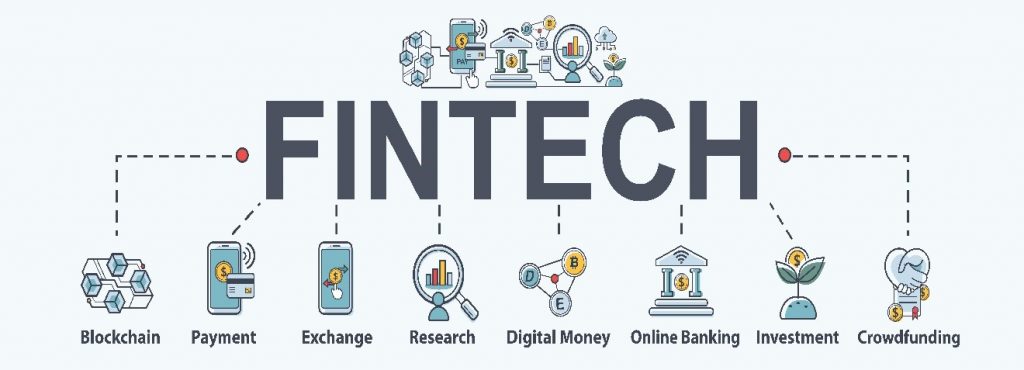
In its early stages, there was no official definition of FinTech. The International Organization of Securities Commissions (IOSCO) has rectified this problem by formally defining eight areas of FinTech development in its 2017 FinTech Report:

  • Payments: Payment processing, money transfer, mobile payments, forex, credit cards, prepaid cards, reward programs
  • Insurance: Broking, underwriting, claims, risk tools
  • Planning: Personal finance, retirement planning, enterprise resource management, tax and budgeting, CRM, compliance and KYC, data storage, infrastructure services
  • Trading and Investments: Investment management, roboadvisory, trade pricing and algorithms, trading IT, trading platforms, brokerage, clearing
  • Blockchain: Digital currency, smart contracts, payments and settlement via blockchain, asset tracking, identity management, blockchain protocol developers
  • Lending/Crowdfunding: Crowdfunding platforms, peer-to-peer lending, mortgages and corporate loans
  • Data and Analytics: Big data solutions, data visualization, predictive analytics, data providers
  • Security: Digital identity, authentication, fraud management, cybersecurity, data encryption

Specifically, innovative FinTech is defined as business models that offer one or more financial products or services in an automated fashion, through use of the internet and emerging technologies. These technologies could include cognitive computing, machine learning, artificial intelligence, or Distributed Ledger Technologies (DLT).

There is no doubt that Fintech has the ability to significantly change the financial services industry – but as with all new technology, it doesn’t come without risk or concern from regulators.

Regulatory Challenges of FinTech

It is often the case that the speed of technology outpaces the speed at which lawmakers and regulators can adapt to address concerns raised by this new technology. This is certainly the case for FinTech, which has seen explosive growth over the last several years. In 2005, there were approximately 1,600 companies involved in FinTech investment with funding at around $5.5 billion. By 2016, the number of companies involved in FinTech had grown to 8,800 with $100.2 billion in funding.

The 2016 numbers, however, are nothing compared to 2018 when FinTech really began to take off. The size of the FinTech nearly doubled in a single year and saw two massive deals: acquisition of WorldPay by Vantiv for $12.9 billion and a $14 billion VC funding round raised by Ant Financial. These significant investments show the maturity of the market.

As the FinTech market grows at a rapid pace, regulators are struggling to deal with a number of pressing regulatory issues, including:

  • Data Protection and Cybersecurity: By their nature, FinTech companies must collect and process large amounts of customer data, often including sensitive data such as account numbers, social security numbers, and other personally identifiable information. Different countries must keep FinTech companies in mind as they develop privacy laws – and FinTech companies must ensure they are able to comply with existing privacy frameworks.
  • Cross-Border Regulation: The cross-border abilities of most FinTech products require an increased focus on regulatory consistency, cross-border supervision and enforcement, and international cooperation and exchange of information between regulators in different jurisdictions.
  • Anti-money Laundering (AML): Regulators must determine how FinTech providers fit into AML regulations.
  • Consumer Lending Laws: FinTech needs to ensure compliance with any consumer lending laws and other consumer protection statutes.
    In some countries, addressing these regulatory concerns can be a bar to launch of FinTech services. Other countries, such as Saudi Arabia, are putting a regulatory framework in place to ensure they can serve as a home to this profitable industry.

FinTech Regulatory Framework in Saudi Arabia

There are two main finance regulators in Saudi Arabia – the Saudi Arabian Monetary Authority (SAMA) and the Capital market Authority (CMA). The Saudi Arabian regulators are taking steps to ensure the FinTech industry can thrive in Saudi Arabia.

Cyber Security Framework

In May 2017, SAMA issued a Cyber Security Framework aimed at building an infrastructure for cyber security governance for regulated entities. This infrastructure was developed specifically with an aim of ensuring that Saudi Arabian banking, insurance, and financing sectors can manage and withstand cyber security threats.

As part of the infrastructure’s development, SAMA contemplated the ways in which the effected entities use technology. The framework provides specific considerations for financial technologies such as electronic banking services and payment systems. The guidelines specifically address the fact that new online services and new developments can introduce new issues with respect to confidentiality.

Development of cybersecurity standards help regulated entities seek guidance for issues that are commonly difficult and uncertain for FinTech companies.

FintechSaudi Initiative

In 2018, SAMA launched the Fintech Saudi initiative, aimed at establishing Saudi Arabia as a FinTech hub. The stated goal of the initiative is to transform “Saudi Arabia into an innovative fintech hub with a thriving and responsible fintech ecosystem.”

The initiative includes establishment of a sandbox regulatory environment in February 2019, following the lead of other regulators in the Arabian Gulf. The goal is for SAMA to better understand and asses the impact of FinTech technologies in the financial services market. The sandbox regulatory environment will allow for relaxed regulatory controls, allowing established financial institutions the opportunity to interact with start-ups in the FinTech space without fear of regulatory backlash.

The regulatory sandbox is intended to provide a variety of benefits to various FinTech stakeholders, including:

  • Consumers: Allows for entry of FinTech products that can meet consumer demands for efficiency and quality of service
  • Innovators: Reduces regulatory uncertainty for FinTech offerings and reduces time-to-market by simplifying legal and licensing requirements
  • SAMA: Allows SAMA to collect understand FinTech products and to collect evidence and information before drafting guidelines and regulations

Because Saudi Arabia is still concerned with protecting consumers, it is only likely to offer flexibility with respect to the following requirements:

  • License fees;
  • Capital and liquidity requirements;
  • Financial soundness and management experience of individuals;
  • Cash balances;
  • Board composition/governance requirements;
  • Credit rating; and
  • SAMA guidelines

There is not likely to be any flexibility on issues of consumer data protection, anti-money laundering, handling of customer’s assets by intermediaries, resolution of disputes process, requirements of consumer disclosures, and requirements on cyber security.

FinTech providers interested in qualifying for the regulatory sandbox are required to apply, and the second batch of companies were selected in June 2019.  It was only available to innovators who are proposing (1) technology that is currently non-regulated under existing SAMA regulations; and (2) new digital business models that are not covered under SAMA regulations.  Currently the FintechSaudi Initiative has 22 members and 54 partners.

Saudi Arabia as an Example of Flexibility

Saudi Arabia’s measured approach to ensuring protection for consumers while still allowing FinTech an opportunity to flourish is a great example of the flexibility needed for FinTech technology. Other countries should watch the FintechSaudi initiative to gauge its success and determine whether a similar model would be beneficial in other tech hubs.

If you are wondering how your FinTech company or technology could benefit from increased presence in Saudi Arabia, contact us today for advice.

Digital banking regulations arrive in the ADGM

Financial technology has revolutionized how banking institutions deliver their commercial services. Remarkable innovations such as blockchain, Artificial Intelligence (AI), and mobile payments have rapidly transformed the industry.

The Financial Services Regulatory Authority (FSRA) of Abu Dhabi Global Market has approved a new measure to meet the increasing demands of financial institutions. Recently, the Authority announced it will accept applications to establish digital banks in its International Financial Centre in Abu Dhabi. It also released its “Guide to the Authorization of Digital Banks in Abu Dhabi Global Market.”

The FSRA stated it developed the Guidance in response to regional and international requests from financiers that sought a proven and conducive financial ecosystem that encouraged economic opportunities and growth. Furthermore, the area is an ideal jurisdiction for digital banks. The technical innovations will also anchor activities and support growth in MENA.

“This announcement and the Guidance comes in response to the substantive interest from the industry, and demonstrates ADGM‘s track record in advancing innovation and supporting growth while managing risks to promote a strong and sustainable financial ecosystem,” explained Richard Teng, Chief Executive Officer, FSRA of ADGM.

Digital banks are financial institutions that conduct business through electronic or digital means. The banks accept deposits, transactions, and related services through online platforms. They also provide novel and innovative solutions for their customers.

Digital institutions face similar risks that conventional banks (who accept deposits under the FSRA prudential Category 1 license) face. These include issues with credit, market, interest rates, and liquidity.

The FSRA recognizes that digital banks have specific operational challenges involving cybersecurity and information technology. Digital bank applicants must provide proof they can comply with the same regulatory obligations and authorization criteria that conventional banks meet.

The regulators believe that digital banks in the ADGM will increase the value of the SME, and corporate and wholesale sectors. Additionally, they say digital banks will boost the bottom line of the financial ecosystem.

“Digital banks can address the needs of many segments that are currently underserved by conventional institutions such as the credit gap faced by small and medium enterprises,” Teng said, in a statement. “We welcome innovative models to bring about greater financial inclusion, meet the needs of underserved segments and reduce the cost for consumers. Digital banks will further complement Abu Dhabi and the region’s financial and banking sector, reinforcing its competitiveness, vibrancy, and resilience.”

The FSRA will only accept applications from three sources. Applicants should be conventional banks who want to create digital banks or branches; firms that have innovative value propositions; or partnerships between tech companies and banking institutions.

The Authority will consider applicants that meet threshold conditions outlined in the Financial Services and Market Regulation (FSMR) and the FSRA’s General Rules (GEN) Chapter 5. Businesses must have adequate financial resources and fitness before launching their enterprise. They must have effective supervision, compliance arrangements, procedures, and policies.

The FSRA requires digital bank applicants to have a base capital of USD 10 million. This amount satisfies the FSRA’s prudential requirements and safeguards the system’s stability. Additionally, all applicants should have robust compliance, governance, IT security, and risk management policies. The regulators also require mandatory appointments in senior management.

Tips for a Successful Digital Banking Application

Here are nine additional conditions that companies should satisfy when they submit their application to start a digital bank in the ADGM.

1. Submit a Business Plan

Applicants must submit a credible business plan with a sustainable model and comprehensive regulation. Each application should present the rationale for launching the digital banking venture. It must list all highlighted activities, including those related to banking, such as accepting deposits.

2. Legal Structure

The FSRA’s Prudential – Investment, Insurance Intermediation, and Banking Rules (PRU) require digital bank applicants to be majority-owned by an existing deposit-taking institution. The Authority considers some rule modifications for start-up banks that do not meet this requirement and can issue exceptions for startups that possess adequate resources, credible shareholders, financial soundness, and suitable management. Applicants should have a digital banking license and observe Federal restrictions on accepting deposits in the UAE dirham or the State’s markets. Institutions must maintain premises in ADGM and registered or incorporated under the ADGM’s authority.

3. Ownership and Control

The FSRA requires applicants to provide information about all beneficial owners, corporations, or natural person controllers that own more than 10 percent of its entity. The Authority will review all persons, conflicts of interest, and connected businesses within the company’s structure.

4. Staffing

All applicants must explain their proposed human resources. Their staff should be the appropriate number and have the experience to conduct the digital bank’s proposed activities. Additionally, there should be a board of directors. The FSRA does not mandate the board’s size, but it will assess individual members and its overall composition. It will also determine how these persons would anticipate banking balances, governing experience, financial technology, and independent, non-executive directors. Digital banks should have a UAE-based Senior Executive Officer that has technical and senior management experience. The FSRA requires additional mandatory positions, including anti-money laundering, finance, and compliance.

5. Governance: Management, Systems, and Control

Digital banking board and senior administrators must maintain a mix of employees who have appropriate knowledge, skills, expertise, and time to carry out their duties. Applicants should have clearly defined responsibilities, roles, and reporting lines. Companies must enforce adequate segregation between control and business functions.

6. Outsourcing

The FSRA does not object to companies outsourcing functions; however, the company will remain responsible for any operations carried out by third parties, whether they belong to the companies or not. Digital banks must explain all material arrangements of outsourcing in their applications.

7. Risk Management

Digital banks should manage their risks, just like traditional financial institutions. They must have the proper oversight, controls, and systems to identify risks and measure, manage, or monitor them. Applicants must consolidate their approaches to risk in an Internal Risk Assessment Process document and submit it as part of applications.

8. Information Technology Risk and Cyber Security

Digital bank applicants should have robust IT structures. The organization requires applicants to test their IT structures for potential vulnerabilities. Additionally, companies should have adequate cybersecurity and hire an independent, third-party specialist to probe the system for security issues. The FSRA accepts cloud-based solutions to data management.

9. Financial Crimes

Applicants must have policies and procedures in place to address financial crimes such as money laundering, fraud, and financing of illegal activities. Read the requirements in the Anti-Money Laundering and Sanction Rules and Guidance (AML) Rules for more details.

According to MSN News, firms seeking to deploy e-commerce solutions in payment areas such as tokens, stored value cards, e-wallets, can consider other licenses that will have lower capital and regulatory burden than a digital banking license. Businesses should confer with the ADGM’s “Authorisation of Digital Banks in Abu Dhabi Global Market” for a full list of guidelines.

Hammad & Al-Mehdar Law Firm is a leading regional law firm in Saudi Arabia and the UAE with more than 35 years of experience serving the corporate, financial, and technology sectors. Contact us today to schedule a discussion with one of our team members.

Saudi’s Capital Market Authority Board Excludes Foreign Strategic Investors from 49% Foreign Ownership Cap in Listed Companies

Saudi Arabia recently eliminated the cap for foreign strategic investors in shares of listed companies. The Kingdom eased its rules to increase international funding and diversify its investor base. This decision will allow foreign strategic investors to purchase controlling stakes in the nation’s economic sectors that surpass 49 percent. By 2030, their financial regulator expects the relaxed rules to raise foreign investment to ten percent of the nation’s GDP. International investors can purchase majority ownership in the country’s commercial lenders for the first time in almost 40 years.

The Capital Market Authority (CMA), based in Riyadh, adopted the Foreign Strategic Investors’ Ownership in Listed Companies instructions. According to the nation’s regulators, the new laws will increase their market’s attractiveness and efficiency. It will also expand Saudi Arabia’s institutional investor base. There will be no maximum or minimum limits placed on foreign investors concerning the ownership of listed companies.

According to the CMA, these steps align with the Kingdom’s Financial Sector Development Program objectives outlined in its Saudi 2030 vision program. The directive also adheres to its Financial Leadership Program, a strategic program launched by the nation. These instructions will go into effect on the date of their publication. Additionally, the CMA board amended the Rules of Qualified Foreign Financial Institutions Investment in Listed Securities (Subparagraph (a\2) of Article (14). They also changed paragraph (2) of Part (3) of the Guidance Note for the Investment of Non-Resident Foreigners in Parallel Markets.

In the 1970s, the Kingdom forced foreign lenders to sell majority stakes in local operations to Saudi residents. Currently, the largest foreign strategic investors in Saudi Arabia are HSBC Holding Plc, Credit Agricole SA, and the Royal Bank of Scotland Group Plc.

During a telephone interview, Bloomberg News spoke with the CMA Chairman Mohammed El-Kuwaiz. “Saudi Arabia, increasingly, is open for business, not just or local investors but for international investors,” the regulatory official said. “It is ironic, I would say, that Saudi is rapidly opening up and embracing the world in a period when the rest of the world seems to be closing down.”

Saudi Arabia started introducing market reforms four years ago to help attract international investment and issuers. The Kingdom’s stock market remains one of the largest in the Middle East and Africa. According to data collected by Bloomberg News, the exchange has a capitalization of $540 billion.

In 2019, the Saudi Stock Exchange has seen an expansion of its international cash flow. The number of qualified foreign investors (QFI) in emerging market indicators rose from 453 QFIs to 1,195 in June 2019. This data represents a 163.7 percent increase. Additionally, the ownership percentage of QFIs in the Saudi Capital Market has skyrocketed from 4.7 percent in January 2019 to 7 percent. QFIs have made investments and purchases worth 51.2 billion riyals ($13.6 billion) by May 2019, and now own 6.6 percent of the nation’s equities.

Although the CMA has relaxed the 49 percent cap on foreign strategic ownership in publicly traded companies, other rules and limitations still apply. For example, industry authorities will need to approve deals that surpass the thresholds in different sectors such as petrochemicals and banking.

Chairman El-Kuwaiz said that the Authority has seen a huge request for investment from non-financial foreign investors. The CMA decided to grant approval on an exceptional basis to this select strategic foreign investor group. Non-financial foreign investors can now invest in Saudi Arabia’s listed company holdings.

According to the Capital Market Authority, qualified foreign investors (QFI) are individuals or companies that can invest in securities listed on the Saudi Stock Exchange in accordance with its rules. These laws regulate how foreign financial institutions invest in the Saudi Stock Exchange listed securities (including equities, debt instruments, and funds).

To qualify as a QFI, an applicant must be a financial institution that has a legal personality that falls into one of the six categories. QFIs must be either banks, brokerage or securities firms, insurance companies, government or related entity, investment fund, or Authority-eligible financial institution. Additionally, the applicant must possess assets under management equating to a SAR 1,875,000,000 (one billion eight hundred and seventy-five million Saudi Riyals), an equivalent amount, or more.

Additionally, the financial institutions must be licensed or monitored by jurisdictions who have standards equal to the CMA’s. The agency must provide an Authorized Persons (AP) who have a dealing or custody licenses in jurisdictions that apply regulatory and monitoring standards equal to the CMA, or pursuant to its Financial Action Task Force (FATF). Newly established financial institutions can submit applications to qualify as QFIs however, they must meet the nation’s minimum assets under management requirement.

Assets under management include those owned by the applicant or its group for investment purposes or owned by foreign portfolio managers or its group. An applicant (or account for another person related to the financial institution) can manage this account. These include assets owned by a foreign portfolio manager or their group for the account of another person or people.

The Kingdom requires strategic investors who buy stakes in a listed company to hold their investments for 24 months before they can sell them. This period doesn’t apply to those who already hold shares in listed companies unless they purchase more. The two-year rule will apply to the new shares.

For a full list of rules, please read the Capital Market Authority’s “Frequently Asked Questions on the Rules for Qualified Foreign Financial Institutions Investment in Listed Securities.”

Are you a foreign investor seeking to invest in Saudi Arabia’s growing economy? Trust the Hammad & Al-Mehdar Law Firm to handle your legal affairs. We are an industry giant with more than 35 years of legal experience. In 2018, the Islamic Finance News named us the Best Law Firm in the category of Mergers and Acquisitions. Our team has veteran attorneys that specialize in international civil law and common law. We can help you in our nation’s sectors, including private equity and venture capital. We also hold alliances with several international law firms. You can trust our attorneys to handle your legal needs. Contact us today for more details.

MENA Fintech Association Launches to Prop Fintech in Growing MENA Market

MENA Fintech Association (MFTA), a non-profit organization founded to shape the future of technological innovations, products, and business models in the financial services sector within the MENA region, officially launched on Sunday, 23 June 2019, at Abu Dhabi Global Market (ADGM).

Industry stakeholders that attended the event included 22 financial regulators from MENA countries, Fintech leaders, government representatives, international and regional companies, and members of the MFTA fraternity. At the exclusive event, various guests and speakers acknowledged and cherished the strides the organization has made toward pushing the frontiers of Fintech innovation and financial inclusion in the region since its inception at a Fintech Abu Dhabi event in 2018.

During the MFTA launch event, leaders and stakeholders also unveiled several initiatives aimed at shaping enhanced financial services in MENA, going forward.

MFTA’s recent achievements include setting up 46 country bridges globally to facilitate cross-border collaborations and the exchange of ideas among Fintech professionals and consumers. The organization created and provided a platform for global experts to address the local Fintech community, and it mobilized the MFTA community to participate in social life-transforming activities.

More than 1000 individuals have benefited from the life-changing technical and social events that MFTA has organized in the past. By collaborating with the Arab Monetary Fund, the organization managed to create a Fintech framework within a short duration.

MFTA has been liaising with corporate organizations through its global talent exchange program, which has enabled it to prepare and launch “Regulation Simplified,” the community’s first publication.

MENA Fintech Association struck a couple of deals at the launch ceremony, including with Deutsche Gesellschaft für Internationale Zusammenarbeit (GIZ). This partnership aims at developing strategic initiatives on financial inclusion and advancement of financial services within the region.

Also, MFTA signed an alliance with the American University of Dubai. The two organizations agreed to collaborate on specific academic initiatives and programs to create the ecosystem that Fintech startups and industry stakeholders need to flourish. Identified areas of collaboration include curriculum and capacity building and accelerator programs.

In yet another exciting deal, MFTA and Anghami have agreed to work together on an upcoming podcast series focusing on the topic of Fintech in MENA. Anghami is the most popular legal music streaming platform in the region, with over 50 million subscribers.

Commenting on the launch, founding board member and chairman of MFTA, Nameer Khan, said the team was happy to unveil the organization—a first-of-its-kind in MENA. He added that MFTA will bring together the entire Fintech fraternity in the region, including various associations, and that the nonprofit will advance the interests of all stakeholders, foster collaboration, facilitate the development of industry standards, and promote an environment that’s conducive for extensive Fintech deliberations.

The chairman acknowledged the critical role that the MFTA board membership played in organizing a successful launch. The founding board members are Umair Hameed, partner at KPMG, Nihal Abughattas of TEMENOS, Irina Heaver from Bolton Holdings, Kokila Alagh of KARM, and Altaf Ahmed (Etisalat).

At the launch, MFTA hosted a panel discussion titled ‘Shaping the Future of Fintech.’ Industry leaders with Fintech expertise participated in the forum, including Michael O’ Loughlin (TOKEN, Inc), Kaiser Naseem (MFTA advisor), and Wai Lum Kwok (FSRA at ADGM). The panelists focused on the need to build a Fintech ecosystem throughout MENA. They pinpointed deficiencies and agreed on practical measures that have to be implemented to establish an ideal environment. Their objective is to bring regulators within industry stakeholders’ reach, increase the accessibility of startup funding, and bridge the Fintech skills gap in MENA through specific academic programs.

Education is one of the tools MFTA plans on using to define the future of financial services in the region, according to the organization’s website. To achieve that goal, MFTA will be providing a virtual and physical knowledge-sharing platform that existing industry experts and ecosystem stakeholders may leverage to promote robust Fintech growth within MENA.

Another area of focus at the event was significant upcoming developments in MENA’s Fintech industry. Navin Gupta from Ripple and Richard Teng from the Financial Services Regulatory Authority of ADGM delivered the relevant highlights.

Mr. Teng emphasized the importance of the Fintech community working together and speaking with one voice to achieve intended goals.

“As the Fintech ecosystem in the region grows, the community needs to collaborate more closely for a common effective voice to interact with the likes of regulators, policymakers and institutions. I would like to congratulate the MENA Fintech Association on its official launch and applaud Nameer and the founding team for stepping up to lead this important effort.”—Mr. Teng

The MFTA also invited attendees to tour the HUB 71 at the exclusive launch event. The center is reportedly MENA’s top innovation and technology hub.

After launching MFTA, the organization intends on reaching out to different groups and stakeholders to have meaningful discussions that will promote the Fintech industry in the region. They’ll be talking to and collaborating with innovators, startups, and entrepreneurs. Technology vendors will play a vital role in Fintech development too.

Besides working with Fintech professionals, scholars, and academic institutions, MFTA will be engaging corporate organizations, banks and lenders, investors, and accelerators. Over the next few months or years, the association will be collaborating with relevant government authorities and policymakers on the creation of a supportive regulatory framework for Fintech development and utilization across MENA.

MFTA hopes to extract in-depth insights and views on Fintech from the disparate groups and parties it will bring together under one roof. Bringing everybody on board will make it much easier to come up with and implement viable measures that advance a shared agenda, which is to accelerate the growth of Fintech investment in MENA. The organization will also be building partnerships and engagements that add value to each participating party, individual, or group.

The MENA Fintech Association plans on making the most out of the rapidly growing and maturing Fintech scene. Their goal is to turn the MENA region into an inclusive financial hub in which both established and emerging businesses can thrive. Local and cross-border collaboration on ecosystem development will play a vital part in executing MFTA’s strategies.